
Praxelis
Praxelis
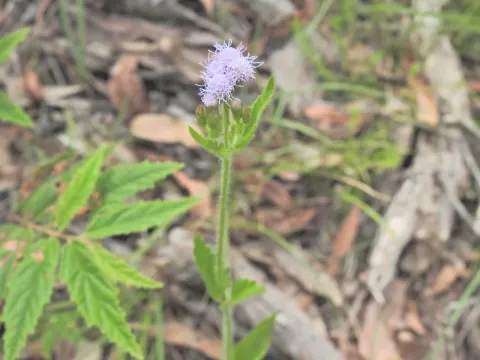
Praxelis (Praxelis clematidea) is a perennial herbaceous plant belonging to the Asteraceae family. It is morphologically similar to members of the Eupatorium genus, featuring small, tubular flowers arranged in distinct blue to lavender-colored capitula (flower heads).
What the section contains


Praxelis
The native range of Praxelis is in South America, particularly in regions such as Brazil, Bolivia, and Argentina. In recent decades, it has established itself as an invasive species in tropical and subtropical regions of Asia and other parts of the world, where it poses a significant threat to native biodiversity.
The plant thrives in open, sun-exposed areas but exhibits high ecological adaptability. It frequently colonizes disturbed habitats, roadside embankments, pastures, and neglected agricultural land, where it forms dense, monospecific stands that crowd out indigenous flora.
Praxelis is not particularly demanding regarding soil quality, showing an ability to flourish in various substrates, including nutrient-poor soils. Its tolerance to periodic water stress, combined with effective vegetative and seed-based reproduction, allows it to rapidly expand its territory.
Agricultural management of Praxelis requires strict control measures to prevent its encroachment on cropland. Mechanical weeding, cultivation, and the use of chemical herbicides are necessary, as the seeds are lightweight and easily dispersed over long distances by wind, making containment challenging.
Praxelis is highly invasive and acts as a competitor for light, water, and nutrients, directly reducing crop yields in infested areas. Furthermore, it can serve as a reservoir for various plant pathogens and viruses that affect essential agricultural commodities, necessitating proactive monitoring.