
Mexican flame vine
Pseudogynoxys chenopodioides
Description
Sowing dates
Propagation of the Mexican flame vine (Pseudogynoxys chenopodioides) is primarily achieved through seeds or stem cuttings. Seeds should be sown in early spring in a well-draining, sterile seed-starting mix, keeping them warm and moist until germination occurs.
Cuttings are usually taken during the active growing season from healthy, semi-hardwood stems. These cuttings typically root well in a light substrate under high humidity conditions, often utilizing a greenhouse or a simple plastic cover to maintain moisture.
Once seedlings develop their first true leaves, they should be transplanted into individual pots. Careful handling of the root system is essential, as the plant can be sensitive to root disturbance during the initial growth stages.
The plant requires a stable, warm environment to flourish. Once established in pots, they can be moved outdoors after all frost risks have passed, allowing them to acclimate to the ambient conditions gradually.
Professional nursery practices often include pinching the growing tips of young vines. This practice encourages lateral branching, leading to a denser, more robust plant that produces a higher number of flower buds later in the season.
Growing requirements
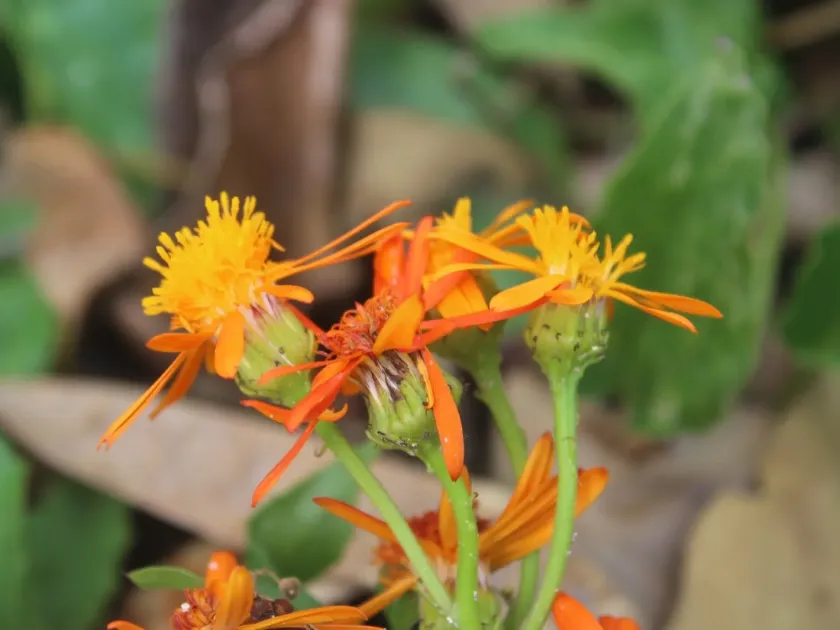
The Mexican flame vine is a member of the Asteraceae family, native to tropical regions of Mexico and Central America. It is a vigorous evergreen climber characterized by its striking orange, daisy-like flowers that bloom in clusters.
The plant demands a position with bright, indirect light to full sun for optimal flowering performance. In extremely hot climates, some afternoon shade is beneficial to prevent leaf scorch and maintain leaf turgor throughout the day.
Well-drained, fertile soil is a strict requirement for this vine. It thrives in loamy substrates that hold moisture but do not allow for prolonged waterlogging, which can quickly lead to root decay in container settings.
Regular fertilization is key to maintaining a vibrant display. A balanced liquid fertilizer applied during the growing season supports both the rapid expansion of foliage and the continuous production of its signature fiery-colored blooms.
The plant is not cold-hardy and will suffer damage if exposed to freezing temperatures. In temperate zones, it is highly recommended to cultivate this species in containers, allowing for easy relocation to a sheltered area during winter months.
Main diseases and pests
Common pests associated with this species include spider mites, which thrive in dry indoor conditions or during heat waves. Maintaining consistent humidity and regular foliage inspection are effective preventive measures against infestation.
Whiteflies and aphids are frequent invaders, particularly on the underside of leaves and young stems. Immediate intervention with insecticidal soaps or neem oil is usually sufficient to control outbreaks before they reach critical levels.
Root rot is the most significant disease threat, typically caused by overwatering or poorly draining soil. To prevent this, ensure that containers have ample drainage holes and that the soil is allowed to dry slightly between watering cycles.
Powdery mildew can affect the foliage during periods of high humidity and poor air circulation. Proper plant spacing and avoiding overhead watering help keep the leaves dry and minimize the risk of fungal infections.
Nutritional deficiencies, specifically iron chlorosis, can manifest as yellowing leaves with green veins. This condition is easily corrected by applying chelated iron or adjusting the soil pH, ensuring that the plant can properly absorb essential nutrients.