
Pseudogynoxys oerstedii
Pseudogynoxys oerstedtii
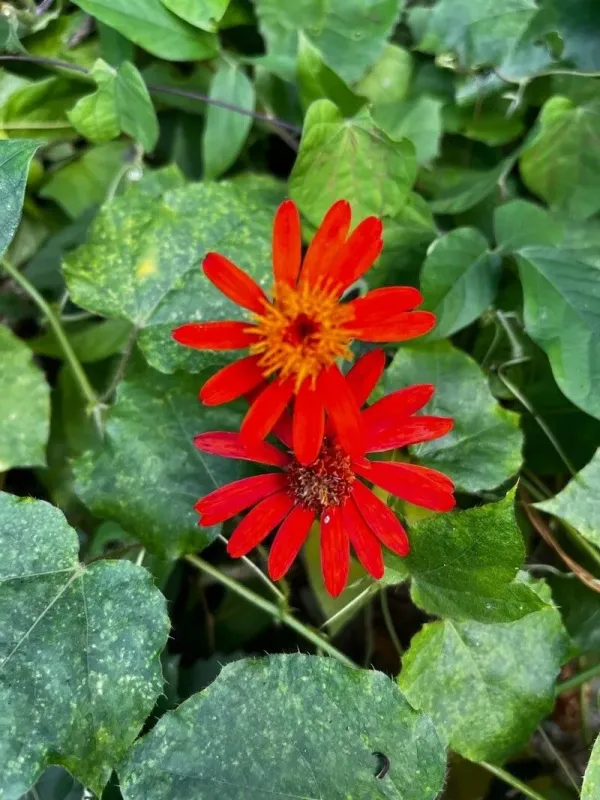
Description
Growing requirements
Pseudogynoxys oerstedii is a perennial evergreen vine belonging to the Asteraceae family. This species is highly valued in horticulture for its rapid growth rate and vibrant floral displays, making it an excellent choice for vertical gardening in tropical and subtropical climates.
The plant is native to Central and Northern South America, where it typically inhabits humid forest fringes. In its natural environment, it utilizes other vegetation as support to reach sunlight, which defines its inherent nature as a climbing plant requiring structural support in cultivation.
Botanically, it features alternate leaves and distinct orange-red flower heads. The stems are semi-woody, allowing the plant to sustain significant vertical growth over time, provided it has appropriate trellis or wall structures to climb upon.
Cultivation requires well-draining, nutrient-rich soil. The plant thrives in conditions with high atmospheric humidity and bright, indirect light. It is sensitive to standing water at the roots, necessitating the use of high-quality soil amendments to ensure adequate drainage.
Regarding climate, this vine is not frost-tolerant and requires temperatures consistently above freezing. In temperate zones, it is typically grown in containers and moved indoors or into greenhouses during winter to prevent cold-related damage.
Main diseases and pests
Spider mites are the most common pest, particularly in controlled environments with low humidity. Regular misting and the application of horticultural oils or specific acaricides are recommended to keep mite populations under control throughout the growing season.
Whiteflies can also cause significant damage by colonizing the underside of leaves and draining plant sap. Integrated pest management, including the use of yellow sticky traps and systemic insecticides, is effective in managing these infestations.
Root rot is a frequent disease caused by overwatering or poor drainage systems. To mitigate this risk, it is essential to allow the top layer of soil to dry out partially between watering sessions and ensure the pots have sufficient drainage holes.
Powdery mildew may occur if the plant is kept in an area with stagnant air and high humidity. Improving airflow around the foliage and applying appropriate fungicides can prevent the spread of the disease across the plant canopy.
Aphids occasionally target the tender growth of the vine. Prompt inspection and the use of insecticidal soaps are usually sufficient to eradicate these pests before they inflict major structural damage to the growing tips of the plant.