
Prenanthes
Prenanthes
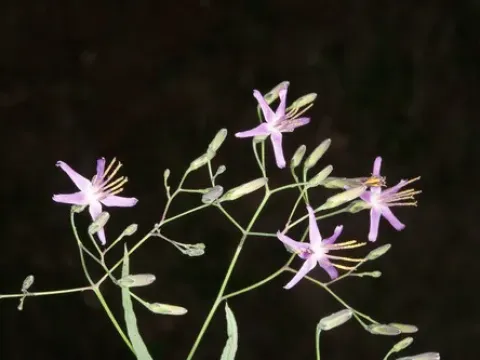
Prenanthes, commonly known as rattlesnakeroot, is a member of the Asteraceae family. These perennial herbs are native to temperate regions of the Northern Hemisphere, often found in woodland habitats.
What the section contains


Prenanthes
The plant thrives in partial shade and prefers moist, fertile, and well-drained soils. Consistent soil moisture is essential for vigorous growth, making it an excellent candidate for shaded garden spots.
Botanically, Prenanthes is characterized by its drooping, bell-shaped flower heads arranged in complex panicles. The plants can grow up to 1.5 meters tall, offering a unique texture to any landscape design.
Cultural requirements include high organic matter content in the soil and protection from extreme heat or direct, scorching sunlight during mid-summer.
In addition to its aesthetic value, Prenanthes serves as a beneficial plant for pollinators, acting as a late-season nectar source for bees and other beneficial insects.
The primary threats to the health of Prenanthes include various fungal pathogens that thrive under conditions of poor air circulation and excessive moisture.
Powdery mildew represents a significant challenge, manifesting as a white powdery coating on leaves and potentially stunting the growth of the perennial.
Insect pests such as aphids frequently congregate on the flower buds and young foliage, causing deformation and general decline if left untreated.
Root rot is a major risk in heavy, waterlogged soils where oxygen availability to the roots is restricted, leading to sudden plant wilting.
Effective management strategies include proper spacing to improve airflow, regular monitoring of foliage, and immediate removal of any diseased plant parts.