
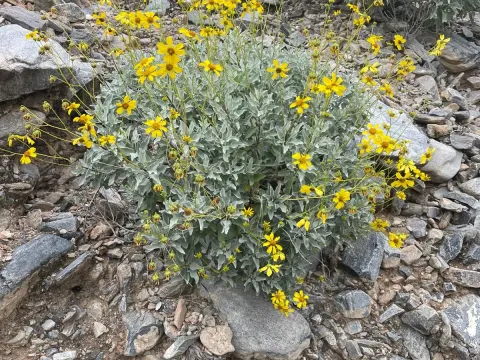
Encelia
Encelia
Sowing Encelia is typically performed in the spring when soil temperatures stabilize between 15°C and 20°C. Seeds require light for germination, so they should be sown on the surface of the growing medium and covered only very lightly with sand or fine soil.
What the section contains


Encelia
Professional agronomists recommend cold stratification for several weeks to break seed dormancy, which significantly improves the uniformity of germination. This pretreatment is crucial for achieving high-density stands in commercial cultivation.
The planting spacing should be adjusted based on the specific species, but generally, 50 to 80 centimeters between rows ensures adequate room for root development and airflow. Properly spaced plants are much less susceptible to moisture-related diseases.
Direct seeding is common in arid environments. Planting just before the expected rainy season provides the necessary moisture to establish a deep root system, which is vital for the plant's subsequent survival during the dry season.
After sowing, maintaining consistent but not excessive moisture is essential for the first few weeks. Once the seedlings develop several true leaves, they become remarkably self-sufficient and require very little supplemental intervention.
Encelia belongs to the Asteraceae family and is native to desert regions of the Americas. Its primary adaptation is an extreme drought tolerance, allowing it to thrive in environments with very low annual precipitation levels.
These plants demand full exposure to sunlight. Any degree of shade will likely lead to leggy, weak growth and a significant reduction in the quantity of flowers, which are the main attraction of the plant.
Soil requirements focus on excellent drainage. Encelia will not survive in heavy, compacted, or clay-based soils that trap water. Sandy, rocky, or gravelly soils are ideal for mimicking their natural desert habitat.
Regarding soil fertility, Encelia is adapted to low-nutrient substrates. Excessive fertilization, especially with nitrogen, can stimulate vegetative growth at the expense of floral display and overall plant health. Minimal nutritional supplementation is usually sufficient.
The climate requirements include warm days and cool nights. While the plant can tolerate short periods of frost, it is not a cold-hardy species and thrives in temperate to semi-arid regions where temperatures remain predominantly above freezing.
Encelia's yield is primarily measured in its ecological and aesthetic value rather than food production. It is highly valued for restoring degraded landscapes and preventing soil erosion in desert environments.
In a controlled agricultural setting, the plant produces a moderate volume of seeds. Harvesting must be timed correctly, as the dry flower heads tend to shatter and disperse seeds easily when fully ripe.
The plant is an excellent honey producer, attracting a wide range of native pollinators. This makes it a valuable species for supporting local biodiversity near agricultural fields or orchards.
Biomass production is relatively low compared to traditional fodder crops. However, in regions where other forage options are scarce, it can provide supplemental sustenance for browsing animals during harsh droughts.
The economic efficiency of Encelia cultivation is high due to its extremely low water and fertilizer inputs, making it an attractive candidate for low-maintenance landscaping and sustainable agricultural development.
The most significant threat to Encelia is root rot, caused by waterlogging. This condition is almost exclusively a result of poor drainage or overwatering. Preventing this is the foundation of successful cultivation.
Pests such as aphids and spider mites can infest the foliage, particularly in greenhouse conditions or when the plant is stressed by prolonged heat. Integrated pest management, focusing on biological controls, is preferred.
Powdery mildew can become a problem if plants are spaced too closely, limiting ventilation. Keeping the planting area dry and ensuring good air circulation are effective preventive measures against fungal pathogens.
Young plants may also be susceptible to browsing by small herbivores. Protecting seedlings during the first season is often necessary for successful establishment.
- Ensure perfect drainage for all planting sites.
- Monitor for signs of pest outbreaks during flowering.
- Remove infected plant parts immediately to prevent spread.
Seeds are harvested once the flower heads turn brown and become dry and brittle. It is important to harvest during a dry spell to prevent the collected material from developing mold during storage.
Once collected, the flower heads should be spread out in a dry, ventilated area to complete the drying process. Afterward, seeds can be easily separated from the chaff by simple sifting or winnowing.
For gardening and landscaping purposes, deadheading spent flowers helps maintain a clean appearance and encourages the plant to put energy into developing a more robust root system instead of setting seed.
Mechanical harvesting is feasible for larger commercial plots. The equipment should be calibrated to avoid crushing the seeds, which are delicate and have a thin seed coat.
Proper storage is essential to maintain seed viability. Store seeds in a cool, dry, and dark environment in sealed containers. Under these conditions, the seeds can typically remain viable for up to three years.