
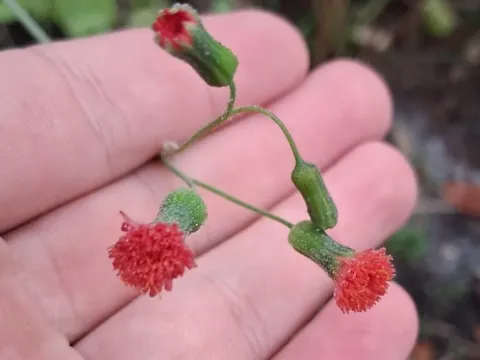
Emilia
Emilia Cass.
Sowing Emilia seeds outdoors is recommended in late spring, once the threat of frost has passed completely. The optimal temperature for seed germination is between 18 and 22 degrees Celsius.
What the section contains


Emilia
For early flowering, the crop is grown indoors by sowing seeds in trays during March or early April. Seedlings should be protected from direct sunlight in their early stages.
Pricking out the seedlings should be done when two true leaves appear, transplanting them into individual containers to develop a robust root system.
When moving to the open garden, seedlings should be spaced 20 to 30 centimeters apart to ensure each plant receives adequate nutrients and space for growth.
Regular watering is essential after sowing, but gardeners must avoid waterlogging, as excessive moisture can lead to root rot in young, delicate plants.
Emilia is a heat-loving plant native to tropical regions, which is why it thrives best in sunny, sheltered locations protected from strong wind gusts.
The crop prefers light, well-draining, and moderately fertile soils with a neutral pH level. Stagnant water is detrimental to the plant's health and survival.
During the active growth period, Emilia requires consistent and moderate watering. In dry spells, water demand increases significantly, especially during bud formation.
Fertilizing with complex mineral fertilizers is recommended twice per season: once during the active vegetative stage and once when the first buds appear.
The plant responds well to regular soil loosening around the base, which promotes root aeration and prevents the formation of a dense, hard soil crust.
Powdery mildew is the primary threat to Emilia, often occurring when humidity levels are high and air circulation around the plants is insufficient.
Pests like aphids and spider mites can attack young shoots. Timely application of insecticides or acaricides is necessary to manage these infestations effectively.
Root rot is typically caused by overwatering, highlighting the importance of managing irrigation carefully and ensuring proper soil drainage.
Gray mold may develop during periods of prolonged rainfall. It is essential to remove any infected plant parts immediately to stop the disease from spreading.
Disease prevention is best achieved by following recommended plant spacing guidelines, which ensures good airflow and reduces the risk of fungal infections.
Since Emilia is primarily an ornamental crop, harvesting involves cutting the inflorescences for floral arrangements or dried flower compositions.
For dried bouquets, flowers should be harvested when fully open and hung upside down in a dark, well-ventilated space to preserve their structure.
Seed collection should be done after the flower heads turn brown. This must be performed in dry weather to prevent moisture from damaging the seeds.
After the flowering season ends, annual varieties of Emilia are removed from the plot along with their roots to prepare the bed for the following season.
Regular deadheading of faded flowers throughout the season encourages the remaining buds to bloom longer, extending the display of the plant.