
Epaltes
Epaltes
Epaltes is a genus of herbaceous plants belonging to the Asteraceae family. Known for their unique adaptation to tropical environments, these plants are primarily recognized for their potential in medicinal plant cultivation rather than as a traditional food crop.
What the section contains


Epaltes
The geographic range of Epaltes spans across tropical and subtropical zones, including Africa, Southeast Asia, and Australia. They are often found in habitats characterized by seasonal flooding, such as marshlands, river banks, and traditional rice paddy fields.
Successful cultivation requires specific soil conditions, ideally loamy soils with high organic content and excellent water retention. The plant thrives in environments with high ambient temperatures and consistent moisture levels throughout the growing period.
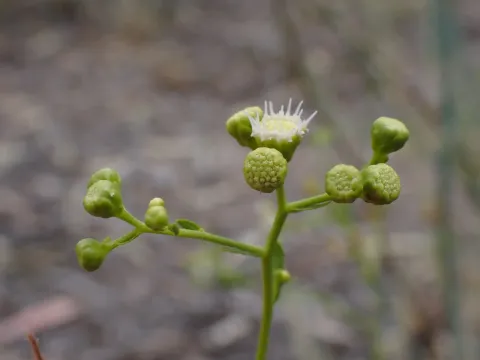
Botanically, the genus is characterized by its distinct capitula inflorescences and often winged stems, which serve as key identification traits. The plants usually grow in a prostrate or semi-erect form, making them effective ground cover in their native landscapes.
Economically, Epaltes is valued for its secondary metabolites. Research has highlighted its use in traditional medicine, where extracts are utilized for their potential anti-inflammatory and hepatoprotective properties, encouraging interest in controlled crop production.
The primary threats to Epaltes involve fungal pathogens, particularly in high-humidity environments where poor air circulation leads to damping-off disease. Root rot is a significant concern during excessive rainfall or improper drainage management.
Pest pressures often include sap-sucking insects such as aphids and whiteflies, which can stunt plant growth and reduce the quality of the raw material. Integrated pest management (IPM) strategies, including biological control, are essential to maintain crop health without compromising medicinal properties.