
Encelia mexicana
Encelia mexicana
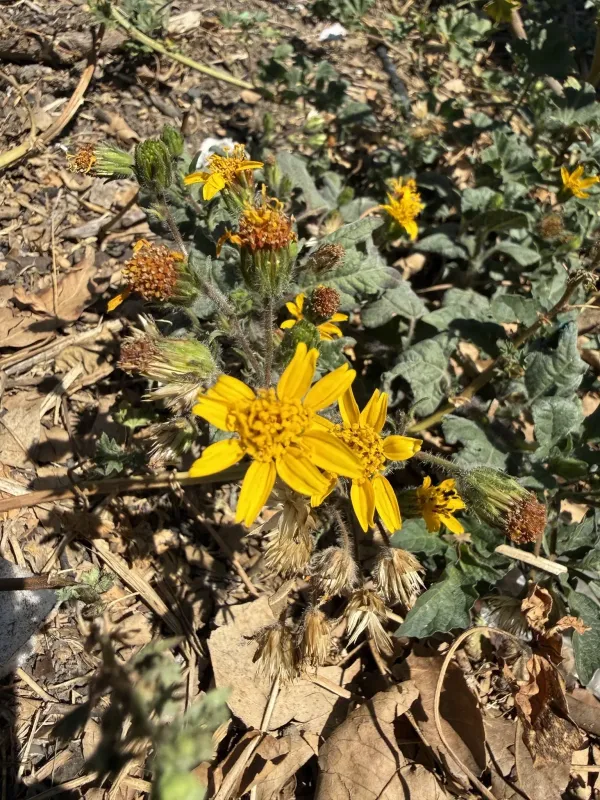
Description
Sowing dates
Encelia mexicana belongs to the Asteraceae family and is a resilient perennial species often valued for its ability to adapt to arid environments. The plant is primarily propagated through seeds, which maintain good viability under proper storage.
The optimal sowing time is during the spring season when soil temperatures reach a range of +20°C to +25°C. Warm conditions are essential to trigger germination and ensure strong initial seedling growth.
Seeds should be sown at a shallow depth of approximately 0.5 to 1 cm. Since the seeds are light-sensitive, covering them too deeply with soil may inhibit the germination process significantly.
Typically, seedlings emerge within two to three weeks. Consistent, light moisture must be maintained during this phase to support the delicate root system without causing waterlogging, which is a major risk for this species.
After the development of true leaves, seedlings can be hardened off and transplanted. Maintaining proper plant spacing is crucial for airflow and to prevent competition for light and nutrients among mature plants.
Growing requirements
Encelia mexicana thrives in environments with full sun exposure. It requires a significant amount of light to maintain its compact growth habit and to promote vigorous flowering cycles.
The plant demonstrates a strong preference for well-draining, sandy or gravelly soils. Poor drainage is the most significant obstacle to healthy development, as the roots are highly sensitive to moisture stress.
Regarding climate, the plant is well-adapted to high-temperature regions with low rainfall. It is categorized as a drought-tolerant crop once the root system is fully established in the soil.
Soil pH should remain in the neutral to slightly alkaline range. Excessive acidity can interfere with the uptake of essential micronutrients and hinder overall metabolic processes within the plant.
Protection from extreme frost is necessary, as Encelia mexicana is not built to survive deep freeze events. In temperate zones, it is often treated as an annual crop or protected during the winter months.
Yield
While Encelia mexicana is not a mass-production food crop, its yield is evaluated based on its biomass production and its potential for use in landscape restoration and sustainable agriculture projects.
Studies indicate that under favorable conditions of light and minimal irrigation, the plant can produce significant vegetative biomass, which helps in soil stabilization in desert or semi-arid regions.
Floral yield, which is critical for pollinator support, is high during the peak growing season, provided the plant is not subjected to severe environmental stress during its blooming phase.
The potential for harvesting plant extracts for industrial or medicinal research is currently a subject of interest in botanical studies, though large-scale production remains specialized.
Yield management depends heavily on selecting the correct variety for the specific climate and ensuring that weeding is performed in the early stages to maximize resource availability.
Main diseases and pests
The most common threats involve soil-borne pathogens that thrive in wet conditions. Root rot is the primary cause of mortality in Encelia mexicana, particularly when drainage systems fail.
Insect pests such as aphids and spider mites present a recurring challenge. Aphids generally target the soft growing tips, while spider mites flourish during dry, dusty periods, causing chlorosis in leaves.
Fungal leaf spot diseases can occur if the humidity levels around the foliage remain high for extended periods, usually due to dense planting or overhead irrigation patterns.
Preventative measures include regular scouting of the field to identify early signs of infestation and maintaining clear space between plants to ensure constant air circulation.
- Monitor moisture levels strictly to avoid standing water.
- Utilize integrated pest management (IPM) to control aphid populations.
- Ensure soil preparation includes organic matter that enhances drainage.