
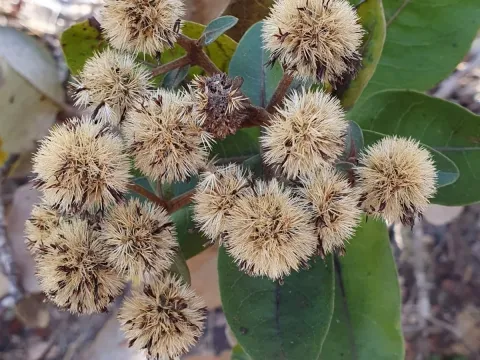
Eremanthus
Eremanthus
Eremanthus is a genus of woody shrubs and trees belonging to the Asteraceae family, native primarily to the Brazilian cerrado. These plants are scientifically noted for their adaptation to nutrient-poor soils and their role as a source of high-value secondary metabolites.
What the section contains
Eremanthus
The cultivation of Eremanthus requires well-drained, acidic soil types. The plant thrives in environments characterized by distinct dry and wet seasons, which are essential for the physiological development of the biomass and the accumulation of chemical compounds in its leaves.
Regarding climate, Eremanthus is highly tolerant to direct tropical sunlight and requires specific altitudes, typically ranging from 600 to 1500 meters above sea level, to maintain optimal metabolic activity. It is not suitable for frost-prone areas.
Agronomic practices for this culture are largely extensive. Producers focus on maintaining proper plant density and ensuring that weed control does not interfere with the natural development of the shrubs during the early growth stages.
The industrial importance of Eremanthus is centered on its essential oil, which is rich in biologically active compounds. These are highly sought after by the cosmetic and pharmaceutical sectors for their anti-inflammatory and skin-protective properties.
The primary threats to Eremanthus include habitat fragmentation and unsustainable harvesting techniques that deplete local populations. In terms of biological risks, the plant is susceptible to fungal pathogens that thrive in high-humidity conditions during the rainy season.
Common pests include specific wood-boring beetles and defoliating insects that can reduce biomass yield if not monitored. Integrated pest management, focusing on biological controls, is considered the most effective way to protect commercial plantations.