
Encelia frutescens
Encelia frutescens
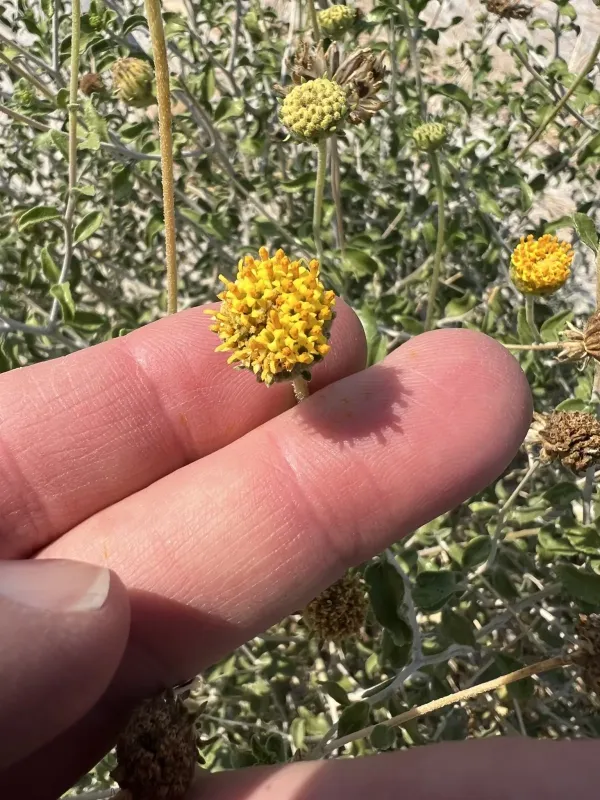
Description
Growing requirements
Encelia frutescens is a perennial shrub belonging to the Asteraceae family. It is native to the deserts of the southwestern United States and Mexico, demonstrating remarkable adaptation to high-temperature and water-scarce environments.
From an agronomic perspective, this plant thrives in well-drained, sandy, or rocky soils. It is highly intolerant of waterlogged conditions, which makes site selection for cultivation a critical factor for successful establishment.
The plant requires full sun exposure and is heat-adapted, with optimal growth occurring in desert ecosystems. It relies on a taproot system to access deep water sources, allowing it to survive long periods of drought without supplemental irrigation.
Cultivation practices involve minimal soil disturbance to preserve the natural structure of arid lands. Since it is highly drought-tolerant, it does not require significant nutrient inputs, making it a low-maintenance choice for dryland restoration.
The main commercial and ecological applications include erosion control on slopes and landscape gardening. The plant acts as a pioneer species that stabilizes soil, preventing degradation in arid regions subjected to wind and water erosion.
Main diseases and pests
Root rot is the most significant threat to Encelia frutescens, primarily caused by excessive soil moisture. Proper drainage is essential to prevent these fungal complications in a cultivation setting.
Pests such as aphids and leaf-feeding beetles can occasionally infest the foliage, particularly in younger plants. These pests reduce the photosynthetic capacity and vitality of the shrub if left uncontrolled.
Nematodes may pose a risk when the soil biome is altered by improper fertilizing practices. It is recommended to maintain the natural soil health rather than using intensive synthetic fertilizers.
Herbivory by desert rodents can significantly impact seedling survival rates during the initial growth stages. Protective cages are often required in areas with high rodent activity to ensure successful stand establishment.
Management of pests and diseases should prioritize preventative measures such as maintaining plant spacing for airflow. Chemical intervention should be reserved only for severe outbreaks to maintain the ecosystem balance.