
Enceliopsis
Enceliopsis
Enceliopsis is a genus of perennial herbs belonging to the Asteraceae family. Known for its adaptation to harsh arid environments, it is primarily used in xeriscaping and rock gardening rather than large-scale agricultural crop production.
What the section contains

Enceliopsis
The plant originates from the dry, mountainous regions of western North America. Its natural habitat is characterized by poor, gravelly soils and significant temperature fluctuations, which have shaped its hardy physiological profile.
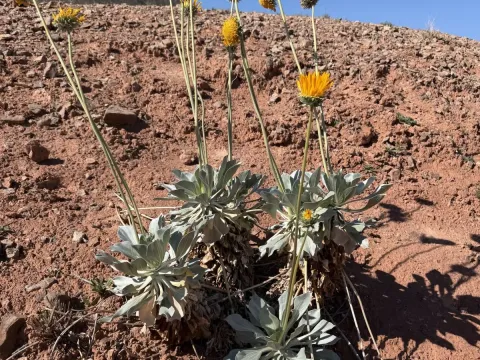
Botanically, Enceliopsis is recognized by its basal rosette of silvery, pubescent leaves. This leaf structure is an evolutionary adaptation that reflects excess sunlight and reduces water loss, allowing the plant to thrive in direct heat.
The most critical requirement for Enceliopsis is excellent drainage. The soil must be highly permeable, as stagnant water is fatal to the plant. It performs best in nutrient-poor, mineral-rich substrates that mimic rocky soil conditions.
This crop requires full sun exposure to maintain its compact growth form. Inadequate light levels can lead to etiolation and a significant reduction in the quantity of its characteristic yellow daisy-like flowers.
The most significant threat to Enceliopsis is root rot, typically caused by excessive soil moisture during cool or dormant periods. Proper drainage and soil aeration are the primary defenses against this pathogen.
Pests such as aphids may occasionally congregate on the flower stems or the center of the rosette. While usually not fatal, severe infestations can stunt development and affect the plant's aesthetic value.
Powdery mildew can occur if the plant is grown in environments with high humidity and poor air circulation. Ensuring sufficient spacing between plants is essential for mitigation.
Over-fertilization represents a major cultural mistake. Providing nitrogen-rich inputs encourages rapid, weak growth that becomes highly susceptible to physiological collapse and pest colonization.
Slugs and snails can also damage the fleshy leaves, particularly in the early spring. Protective measures such as gravel mulching are highly recommended to discourage these pests and keep foliage dry.