
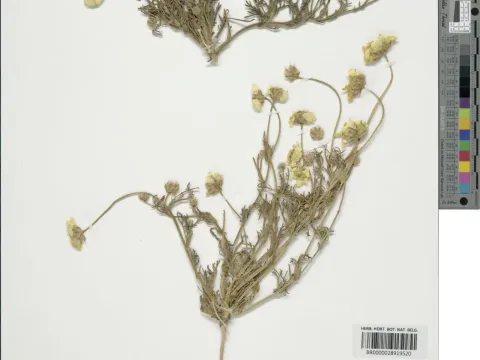
Endopappus
Endopappus
Endopappus is a highly specialized genus of plants belonging to the Asteraceae family. On an agricultural or industrial scale, this genus is practically not cultivated due to its extremely limited natural range and specific biological requirements.
What the section contains

Endopappus
Sowing these plants in controlled environments must be carried out exclusively in the spring period, when the soil warms up to optimal temperatures, ensuring stable seed germination. It is important to note that seeds require stratification to increase germination energy.
The sowing depth should be minimal, as the small size of the seed material prevents it from emerging through a dense layer of soil. A broadcast method of sowing on the surface followed by light rolling is considered optimal.
When grown in nurseries, it is necessary to strictly follow the planting scheme, leaving sufficient distance between plants to prevent competition for sunlight. Overcrowded plantings lead to the suppression of vegetative mass development.
Seedlings emerge unevenly, which requires constant monitoring of substrate moisture in the first weeks after sowing. The use of high-quality growth stimulants at the initial stage can significantly accelerate the root system formation process.
The crop places high demands on soil quality, preferring light, well-drained substrates with a neutral or slightly alkaline pH level. Stagnant water is fatal to this genus, causing rapid rotting of the root collar.
Endopappus requires high levels of illumination throughout the growing season. A lack of sunlight leads to stem stretching and a decrease in the general vitality of the plant, making it vulnerable to pathogens.
The temperature regime should be moderate. The plant does not tolerate extreme heat well, so in regions with a hot climate, organizing shading and regular irrigation using fine misting methods is required.
Mineral fertilizer application should be dosed, with an emphasis on phosphorus-potassium compounds that help strengthen cell walls. An excess of nitrogen provokes rapid green mass development to the detriment of generative organs.
For successful growth in closed ground, it is critical to ensure active ventilation to prevent the formation of zones with high humidity and stagnant air, which promote the development of mold fungi.
Fungal diseases that develop in conditions of high soil and air humidity pose the main threat to Endopappus. Root rot is the most common problem, requiring preventive treatment with fungicides.
Powdery mildew can affect leaves during periods of sharp drops in nighttime and daytime temperatures. To combat it, it is necessary to promptly remove infected leaves and treat plants with sulfur-containing preparations.
Among pests, aphids and spider mites can cause the greatest damage by feeding on the juices of delicate young shoots. These insects multiply rapidly if phytosanitary regimes are not maintained in greenhouses.
Nematodes living in the soil represent a hidden threat, damaging the root system and preventing the full absorption of nutrients. The use of sterilized soil is a key preventive measure for this type of infestation.
- Rot prevention through irrigation control.
- Insecticide treatment at the first signs of pests.
- Crop rotation to reduce soil-borne infections.
- Regular plant inspection for infestation spots.