
Xanthorrhoea
Xanthorrhoea
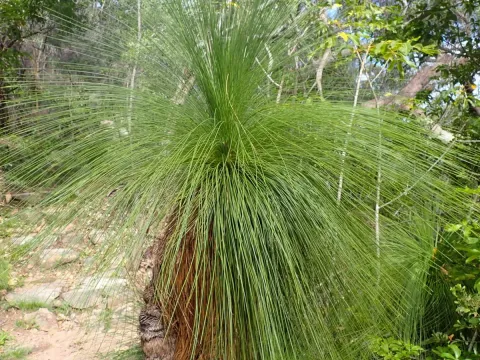
Xanthorrhoea, commonly known as the grass tree, is a genus of large, slow-growing perennial plants in the family Xanthorrhoeaceae. Native to Australia, these plants are iconic for their long, grass-like leaves and thick, resinous trunks that support the main growing point.
What the section contains
Xanthorrhoea
Botanically, the plant is unique as it accumulates a massive amount of resin within its trunk, which is formed by the accumulation of old leaf bases. The growth process is remarkably slow, with some species taking decades to develop even a short stem, making them high-value specimen plants.
When considering growth requirements, soil drainage is the most critical factor. Xanthorrhoea naturally thrives in nutrient-poor, sandy, or stony soils and is highly adapted to fire-prone environments where the fire acts as a natural stimulus for flowering.
The climate must be managed to replicate the warm, open conditions of the Australian bush. These plants are not frost-hardy and require high light intensity; in a controlled environment, they need excellent air circulation to prevent fungal growth caused by stagnant humidity.
Regarding commercial utilization, while the resin was historically used in varnishes, matches, and adhesives, today its cultivation is strictly focused on ornamental landscaping and ecological conservation efforts in specialized nurseries.
The primary threat to the genus is the water mould Phytophthora cinnamomi. This soil-borne pathogen causes rapid root rot and is extremely difficult to eradicate once a plant is infected, posing a major risk to both wild populations and cultivated nursery stock.
Secondary threats include scale insects and various larvae that can infest the crown of the plant. Maintaining optimal soil pH and ensuring the root collar remains dry are essential management practices to keep the plant vigorous and resistant to common pathogens.