
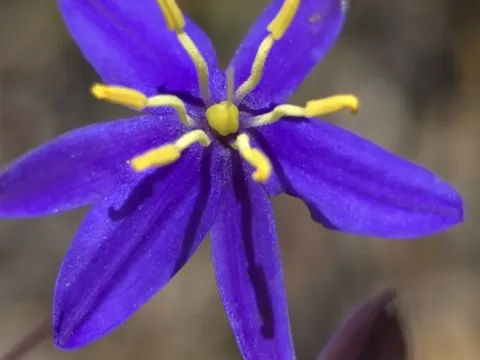
Thelionema
Thelionema
Thelionema is a genus of perennial herbaceous plants belonging to the Asphodelaceae family, which were formerly classified within the Liliaceae family. These plants are native to Australia, where they are primarily distributed across the eastern regions.
What the section contains

Thelionema
This crop prefers well-drained, sandy-loam, or rocky soils with a neutral to slightly acidic pH level. A critical factor for the successful development of the root system is maintaining moderate moisture levels while avoiding waterlogging, which can be detrimental to the plant.
For optimal vegetation, Thelionema requires a temperate climate with sufficient natural light. While the plant can tolerate direct sunlight, providing light shade during the hottest midday hours is recommended to prevent leaf scorching and maintain foliage quality.
Botanically, the plant is an herbaceous perennial characterized by linear or lanceolate leaves arranged in a basal rosette. Flowering involves the development of spike-like or raceme inflorescences consisting of small, vibrant flowers, which defines the plant's high ornamental value.
In terms of agricultural and horticultural use, Thelionema is valued exclusively as an ornamental crop. Due to its resilience and unique aesthetic appeal, it is widely utilized in landscape design, rock gardens, alpine gardens, and container arrangements in regions with suitable climatic conditions.
The primary threats to Thelionema include fungal diseases triggered by excessive soil moisture, such as root rot and phytophthora. Regular soil aeration and strict irrigation management are the most effective preventative measures to protect plant health.