
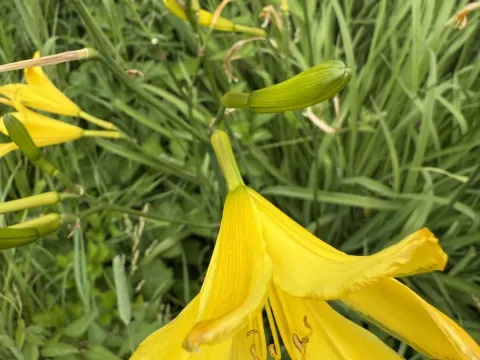
Yezo daylily
Hemerocallis yezoensis
Yezo daylily is most commonly propagated by rhizome division, which ensures that the offspring remain identical to the parent plant. The ideal timing for division is early spring as growth resumes or late summer after blooming is complete.
What the section contains
Yezo daylily
If propagating from seeds, sow them in autumn in prepared outdoor beds; the seeds require a period of cold stratification to break dormancy successfully.
Seeds should be planted at a depth of approximately two centimeters in well-draining soil to prevent rot before germination occurs.
Seedlings need to be kept consistently moist during their first few weeks to support root establishment and prevent the delicate root systems from drying out.
When transplanting divisions, ensure the crowns are placed at the correct depth to avoid burial of the growing point, which can inhibit future development.
The plant thrives in full sun exposure, although it tolerates light partial shade, which may be beneficial in regions with extremely high summer temperatures.
Soil requirements are relatively modest, but the plant performs best in fertile, well-draining loam with a neutral to slightly acidic pH level.
Adaptability to varied climates is a key feature, as it originates from temperate zones where it experiences distinct seasonal changes throughout the year.
Regular watering is necessary during the active growing season, especially during periods of drought, to maintain leaf vigor and promote flower bud formation.
The application of balanced fertilizers in early spring helps stimulate foliage growth and provides the necessary nutrients for the energetic flowering process.
Fungal pathogens such as leaf spot and crown rot are the primary threats, often exacerbated by high humidity levels and poor air circulation within the planting site.
Common pests include aphids and thrips, which can feed on the flower buds, causing malformed blooms and a significant reduction in aesthetic appeal.
Management strategies include removing infected plant debris immediately and ensuring sufficient spacing between plants to allow for better airflow and evaporation.
Regular inspection of the foliage for signs of pests or disease allows for early intervention, which is crucial for maintaining the health of the entire collection.
Using organic mulches can help regulate soil moisture and temperature, although care must be taken to keep the mulch away from the crown of the plant to prevent rot.