
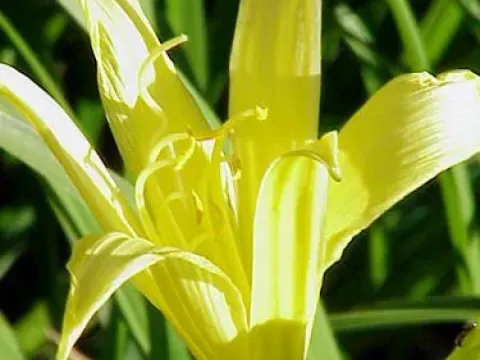
Thunberg's daylily
Hemerocallis thunbergii
Thunberg's daylily is typically propagated by division, which ensures the maintenance of varietal characteristics. The most favorable periods for dividing the root clump are early spring, before the onset of rapid growth, or late summer, immediately after the blooming cycle concludes.
What the section contains
Thunberg's daylily
For seed propagation, sowing is performed in prepared garden soil or specialized containers during autumn or early spring after mandatory stratification. Seeds are placed at a depth of approximately 1.5 to 2 centimeters to ensure successful germination and seedling establishment.
Planting holes should be prepared with adequate depth to accommodate the root system comfortably without bending or damage. It is crucial not to bury the crown too deeply; keeping it just below the surface promotes healthy leaf development and flowering.
After planting, thorough watering is essential to eliminate air pockets around the roots and settle the soil. Mulching with organic matter helps retain moisture, suppresses weeds, and protects the young plants from extreme temperature fluctuations during the initial growth phase.
Mature clumps generally require division every 5 to 7 years to prevent overcrowding and maintain plant vigor. Regular thinning of the root system rejuvenates the specimen, ensuring an abundance of flowers and healthier leaf production in subsequent years.
Thunberg's daylily is a member of the Asphodelaceae family and is native to East Asia. It is a robust perennial herb known for its adaptability to diverse environmental conditions and its ability to thrive in various garden landscapes over long periods.
The ideal soil conditions consist of fertile, well-draining loams with a neutral or slightly acidic pH balance. Proper drainage is imperative, as waterlogged conditions lead to root rot and other physiological issues that can quickly degrade the health of the plant.
This species displays excellent winter hardiness, allowing it to survive in various climatic zones. In regions with harsh, snowless winters, applying a layer of organic mulch or pine needles provides necessary protection for the dormant rhizomes against deep freezing.
Consistent moisture is required during the active growing season, especially during the bud development stage. Providing regular irrigation helps the plant reach its full potential, ensuring that the flowers are large, vibrant, and produced in maximum quantities.
Nutrient management is based on the plant's seasonal development cycle. A balanced fertilizer applied in early spring encourages strong vegetative growth, while a secondary application of phosphorus and potassium-rich fertilizers after blooming prepares the plant for winter dormancy.
The daylily midge is a significant pest, as its larvae feed inside the developing buds, causing distortion and early flower drop. Effective pest management requires the timely application of insecticides as soon as the buds begin to appear on the stalks.
Aphids and spider mites may infest the foliage during hot, dry spells, causing leaf yellowing and reduced photosynthetic activity. Regular scouting and the use of insecticidal soaps or biological controls are highly effective in mitigating these pest populations.
Fusarium wilt represents a critical threat to the roots, often exacerbated by overwatering or poor soil hygiene. Preventive measures include selecting well-draining sites, disposing of infected plant material, and ensuring all tools are sanitized before use.
Leaf rust, caused by fungal pathogens, appears as small orange spots on the foliage and spreads rapidly under high humidity. Fungicidal treatment and removing affected leaves are necessary steps to protect the overall plant health and prevent further spread.
Thrips can cause damage to tissues and may also act as vectors for various viral diseases. Integrated pest management, including regular maintenance and control of insect vectors, is vital for the long-term sustainability of daylily plantings.