
Artemisia suavis
Artemisia suavis
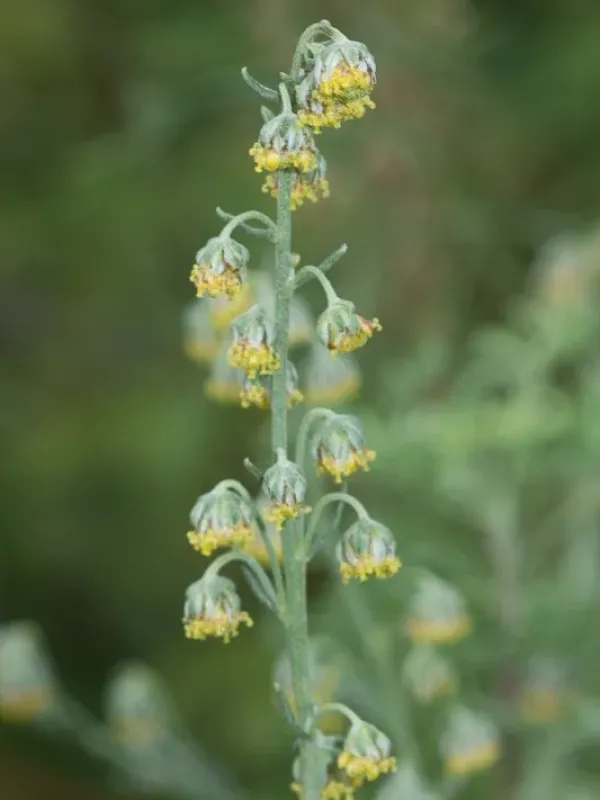
Description
Sowing dates
The sowing of Artemisia suavis is typically scheduled for early spring, once soil temperatures stabilize above 10 degrees Celsius.
Seeds require a cold stratification period to break dormancy and ensure high germination rates throughout the field.
Due to the small size of the seeds, they should be sown shallowly, ideally at a depth of no more than one centimeter.
Row cropping with spacing of 50 centimeters is recommended to allow for adequate airflow and weed control during the growth period.
Field preparation must focus on creating a fine tilth, which significantly improves the contact between the soil and the seeds.
Growing requirements
As a member of the Asteraceae family, Artemisia suavis is remarkably resilient to diverse environmental stresses.
The plant thrives in well-drained, sandy or loamy soils, showing a preference for slightly alkaline pH levels.
It is a sun-loving species that requires full solar exposure to maximize the synthesis of essential oils in its tissues.
The crop demonstrates excellent drought tolerance, making it an ideal choice for cultivation in semi-arid climatic zones.
Proper drainage is essential, as waterlogging can cause rapid root decay and loss of plant vigor within a short time frame.
Yield
Economic yields for this crop are determined by the biomass density and the overall health of the plantations during the flowering stage.
Proper nitrogen fertilization and irrigation management are critical factors that influence the final weight of the harvested crop.
Yield stability is usually observed from the second year of cultivation, once the root system is fully established in the soil.
Quality parameters, such as the concentration of secondary metabolites, are the primary indicators for assessing the success of the harvest.
Strategic harvesting cycles ensure that the plant retains its productive capacity over several years of continuous agricultural use.
Main diseases and pests
Powdery mildew represents the most frequent pathological threat to this culture, especially under humid and stagnant air conditions.
Root rot diseases are more prevalent in improperly managed fields where soil compaction or poor drainage prevents adequate root respiration.
Pest populations like aphids can cause significant damage to the apical buds, requiring timely detection and preventive measures.
Maintaining a balanced crop rotation is the most effective strategy to break the life cycles of soil-borne pathogens and pests.
Regular field scouting is essential to identify infestations early before they require the application of synthetic control agents.
Harvesting
The optimal harvest window coincides with the peak flowering period when essential oil content is at its highest concentration.
Harvesting should be executed in the morning, after the dew has evaporated, to ensure the quality of the harvested botanical material.
Mechanical harvesting equipment should be calibrated to cut at a sufficient height to protect the base of the plant for regeneration.
Immediate post-harvest processing is mandatory to minimize the risk of moisture-induced fermentation in the plant material.
- Cutting of the foliage using specialized harvesters.
- Rapid transport to processing facilities.
- Drying under shade at low temperatures.
- Quality sorting and cleaning of the product.
- Storage in moisture-resistant packaging.