
Xanthorrhoea preissii
Xanthorrhoea preissii
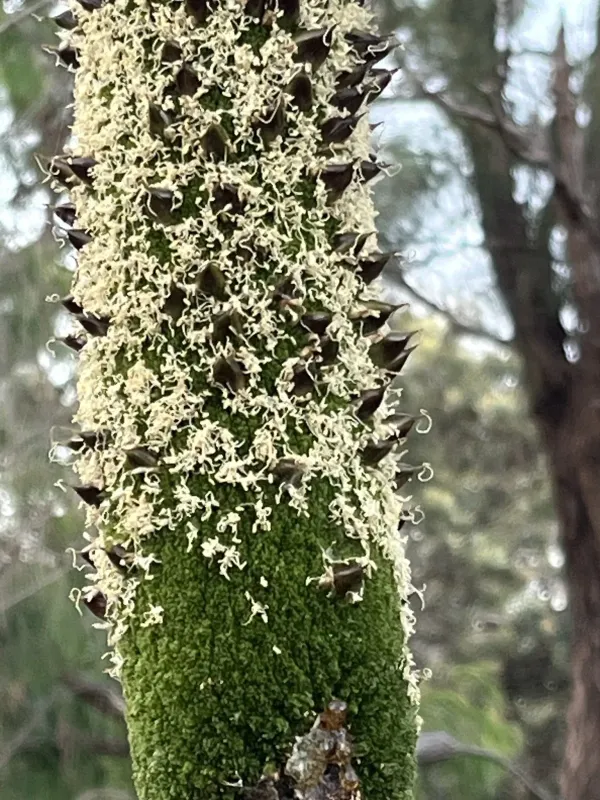
Description
Growing requirements
Xanthorrhoea preissii, commonly known as a type of grass tree, belongs to the Xanthorrhoeaceae family. Originating from the diverse landscapes of Western Australia, this plant is renowned for its iconic, slow-growing appearance and charred, resinous trunk that helps it survive bushfires in its natural habitat.
In cultivation, Xanthorrhoea preissii requires full sun exposure to flourish. It thrives in well-draining, sandy or gravelly soils that are low in phosphorus. Because it has evolved in nutrient-poor environments, it is exceptionally sensitive to fertilizers, particularly phosphorus, which can damage its symbiotic mycorrhizal roots.
Temperature management is critical for this species. While it is adapted to the mild, Mediterranean-like climate of its native range, it must be protected from prolonged freezing temperatures and excessive frost, which can cause significant damage to the plant's delicate vascular tissues.
Watering practices should be minimalist. The plant possesses a unique mechanism to regulate moisture, and in a garden setting, irrigation should only be applied sparingly during establishment. During the winter, the root zone must remain dry to avoid physiological distress and fungal colonization.
The slow growth rate means that a specimen of significant height may be decades old. When selecting plants, growers often prefer container-grown specimens over wild-harvested ones, as the latter often suffer from transplant shock due to the disturbance of their highly specialized root architecture.
Main diseases and pests
The most severe threat to Xanthorrhoea preissii is the soil-borne pathogen Phytophthora cinnamomi. This oomycete causes root rot, which is almost impossible to manage once established, leading to irreversible wilting and eventual death of the plant.
Pests such as mealybugs and scale insects may infest the leaf bases in sheltered or indoor environments. Because the leaves are dense, detecting these infestations early is difficult, making periodic monitoring of the crown essential for maintaining plant health.
Stem decay, often triggered by excessive moisture and poor soil aeration, can lead to the proliferation of secondary bacterial and fungal infections. Ensuring that the crown remains free from debris and standing water is the primary method of preventing these opportunistic infections.
Chemical control should be approached with extreme caution. Many common pesticides can be phytotoxic to Xanthorrhoea species. Integrated pest management strategies, focusing on physical removal and cultural controls, are preferred over synthetic chemical applications.
Strict hygiene protocols are necessary when handling plants, especially in nurseries. Using sterile tools and certified pathogen-free potting media are the only effective ways to keep the plants free from soil-borne diseases that could easily wipe out an entire collection.