
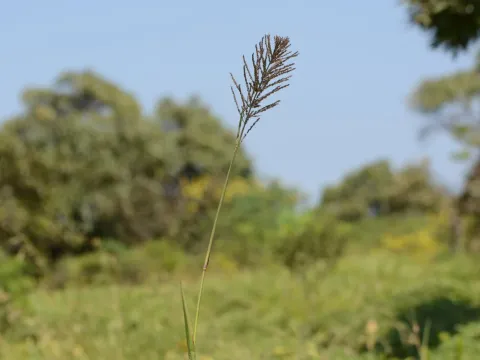
Arundinella leptochloa
Arundinella leptochloa
Arundinella leptochloa is a perennial grass species belonging to the Poaceae family. Native to tropical and subtropical regions, it has gained recognition as a potential forage source in warm-climate agricultural systems.
What the section contains
Arundinella leptochloa
The plant thrives in regions with stable tropical temperatures, usually between 20°C and 30°C. It prefers well-drained loamy soils but is known for its ability to adapt to a wide variety of soil types, including those with moderate fertility levels.
Regarding moisture, this grass requires consistent rainfall during the growing season. While it is not a semi-aquatic plant, it can tolerate occasional flooding, which makes it suitable for low-lying areas in tropical landscapes.
Botanically, it features thin, delicate spikes and a fibrous root system that helps in soil stabilization. The plant's architecture allows for rapid growth and regeneration, which is highly beneficial for grazing management.
The primary use of Arundinella leptochloa is as a forage crop for livestock. Its ability to provide continuous greenery throughout the active season makes it a reliable feed source for grazing animals in rural areas.
Common threats to this crop include leaf rust and other fungal pathogens that often proliferate in high-humidity tropical environments, leading to reduced photosynthetic capacity.
Insect pests such as grasshoppers and aphids can cause localized damage, particularly to young, tender foliage. Monitoring pest populations is essential to prevent significant biomass loss during the early growth stages.
Cultural control methods, such as strategic grazing or mechanical harvesting, are effective in managing disease spread by reducing the density of infected plant tissues.
Effective weed management is necessary during the establishment phase, as the young grass may be outcompeted by fast-growing tropical weeds until the root system is well-developed.
Using certified seeds and maintaining optimal soil nutrient levels contributes significantly to the plant's overall vigor and natural resistance against various biotic stresses.