
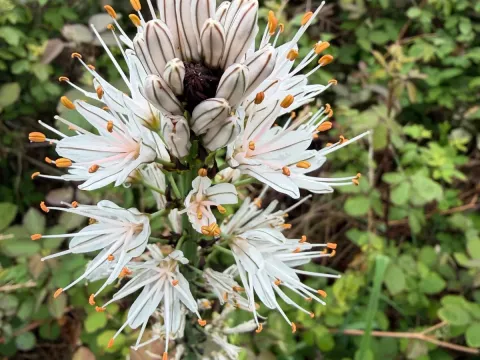
White asphodel
Asphodelus albus
White asphodel is a perennial herbaceous plant belonging to the Asphodelaceae family. Propagation is primarily achieved through seeds or by dividing the root system, which helps maintain varietal characteristics and ensures consistent germination.
What the section contains
White asphodel
Sowing seeds into open ground is best performed in late autumn, as the seeds require a period of stratification to successfully germinate during the spring. If spring sowing is preferred, a cold treatment of the seeds for several weeks is necessary.
When growing from seeds, it is crucial to use a loose, well-draining substrate and maintain consistent moisture levels, though waterlogging at the initial growth stages is strictly avoided.
The optimal window for vegetative propagation occurs during the plant's dormant period, which typically follows the senescence of the above-ground foliage in late summer or early autumn.
Seeds should be sown at a depth of 1–2 centimeters, maintaining a spacing of at least 30–40 centimeters between plants to allow for the development of a robust and healthy root system.
This crop thrives in open, sunny locations, as shaded environments lead to weak stems, reduced ornamental value, and significantly diminished flowering intensity.
White asphodel is not overly demanding regarding soil quality; however, it performs best in light, well-drained loamy or sandy soils with a neutral to slightly alkaline pH level.
The plant exhibits high drought tolerance due to its specialized fleshy roots, which store moisture and nutrients, making it a suitable choice for regions experiencing hot and dry summers.
During the active growing season, moderate watering is beneficial, especially during the flower spike formation phase; however, excessive moisture during winter can cause root rot.
Asphodel is characterized by strong winter hardiness, but in regions with harsh, snowless winters, applying light mulch to the root zone is recommended to protect dormant buds from freezing.
White asphodel is generally resistant to many pathogens, but poor agricultural practices can lead to the development of fungal diseases, most notably root rot.
The primary pests posing a threat, particularly to young plants, are slugs and snails, which can cause significant damage to the succulent leaves during the early vegetative stage.
In conditions of high air humidity or stagnant water in the soil, grey mold may develop, potentially infecting the inflorescences and the base of the flower stalks during the blooming period.
Disease prevention involves maintaining proper irrigation schedules, ensuring adequate air circulation around the plants, and regularly clearing away organic debris that can harbor fungal spores.
When pest infestations are detected, effective control strategies include the application of specialized molluscicides or manual removal of pests during early morning hours.