
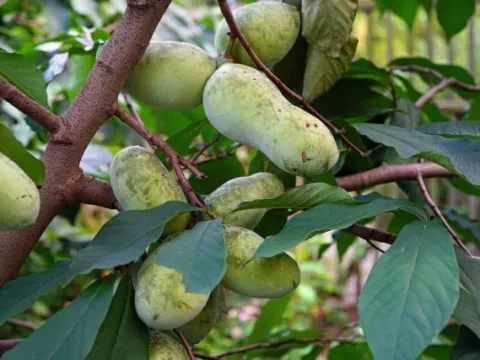
Asimina speciosus
Asimina speciosus
Seeds of Asimina speciosus require a stratification period to overcome deep dormancy. The optimal time for sowing is late autumn or after a 90–120 day cold treatment at 1–5 degrees Celsius.
What the section contains
Asimina speciosus
In nurseries, container cultivation is preferred because the root system of seedlings is extremely sensitive to transplantation shock. The growing medium must be loose, rich in organic matter, and well-aerated.
Sow seeds at a depth of 2–3 centimeters. Maintaining stable substrate moisture is crucial, as drying out during germination is lethal to the embryonic tissue.
Seedling emergence can be irregular, often spreading over several months. Young plants require partial shade during their first year, as direct sunlight can cause leaf scorching.
If sowing indoors, maintain temperatures between +20 and +25 degrees Celsius to encourage consistent germination across the seed batch.
Asimina speciosus belongs to the Annonaceae family and is a rare member of the North American flora. It prefers well-drained, fertile loamy soils with a slightly acidic to neutral pH level.
The plant has high demands for humidity, both in the air and soil. In arid climates, a regular irrigation system is essential, although waterlogging in the root zone must be avoided at all costs.
Select sites protected from strong winds, as the large leaves of this plant are prone to mechanical damage. Young specimens thrive best in partial shade before they become established.
While relatively winter-hardy, the plant requires protection for the root zone and the trunk during its first few years to prevent frost cracks and winter damage.
Good agricultural practice includes regular mulching with organic materials, which helps retain moisture and provides a slow release of nutrients as the mulch decomposes.
The yield of Asimina speciosus depends significantly on effective pollination, as the flowers are protogynous. Cross-pollination between different genetic individuals is recommended for optimal fruit set.
The plant enters the fruiting phase relatively late, usually between 4 and 6 years after planting from seed. The fruits are prized for their unique flavor profile, often described as a mix of banana, mango, and pineapple.
Fruit weight and the quantity per tree vary based on seasonal climate conditions. Harvest is a gradual process requiring multiple visits to the orchard as fruits ripen.
Commercial potential is limited to niche markets due to the short shelf life and fragile nature of the fruits when fully ripe.
Yield potential can be improved by proper crown pruning and the timely application of balanced mineral fertilizers during the active growing season.
Asimina speciosus is considered a relatively disease-resistant crop. However, high humidity may occasionally lead to fungal leaf spots that require monitoring.
Pest pressure is generally low because the plant contains specific aromatic compounds in its foliage and bark that act as natural deterrents to many insects.
Late spring frosts represent a critical risk factor, as they can damage flower buds and lead to total yield loss for that year.
To prevent pathogen buildup, ensure adequate spacing between trees to allow for optimal air circulation within the canopy.
Regular sanitation, including the removal of dead or damaged branches, helps maintain tree health and reduces the likelihood of infection outbreaks.
Harvest the fruits as they begin to soften and the skin lightens in color. It is important to prevent overripe fruits from dropping onto the ground where they may be damaged.
Due to their short shelf life, fruits should be sold or processed within 2–3 days of harvesting if kept at room temperature.
Storing in commercial cold storage at +2 to +4 degrees Celsius can extend the shelf life of fresh fruits to one or two weeks.
Ripe fruits have a delicate pulp, so handling during harvest must be gentle to avoid bruising or skin rupture.
Asimina speciosus fruits are nutrient-dense, containing high levels of vitamins and antioxidants, making them a desirable addition to a healthy diet.