
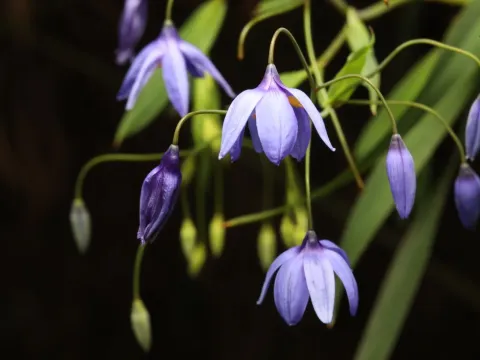
Stypandra
Stypandra
Stypandra is a genus of perennial herbs belonging to the Asphodelaceae family. These plants are known for their distinct aesthetic appeal, characterized by arching leaves and striking blue or violet star-shaped flowers that bloom in clusters.
What the section contains

Stypandra
Originating from the Australian continent, the plant is well-adapted to habitats with distinctive wet and dry seasons. This evolutionary history makes it a resilient choice for regions that mimic Mediterranean-like climates where drainage and light are prioritized.
Success in cultivating Stypandra depends heavily on soil composition. It thrives in well-drained, sandy, or rocky soil mixes. Avoiding waterlogged conditions is critical, as the roots are highly susceptible to rot when kept in consistently saturated environments.
Environmental requirements include a spot that receives ample sunlight or partial shade. Exposure to intense afternoon sun in extremely hot regions may require shading to prevent leaf scorch, while too little light often results in leggy growth and fewer flowers.
Economically, Stypandra is primarily utilized in the nursery trade and landscape architecture. It serves as an excellent ornamental plant for drought-tolerant gardens and xeriscaping projects, adding a unique texture and color to rocky garden beds.
The primary threats to Stypandra health include fungal pathogens triggered by poor drainage. Root and stem rot are the most common issues faced by growers, necessitating strict control over irrigation schedules and the use of porous, aeration-friendly soil media.
Pests such as aphids and spider mites can pose significant challenges, particularly when plants are grown in confined or greenhouse conditions. Regular monitoring of the foliage is necessary to detect early infestations before they compromise the plant's structural integrity.
Environmental stress, such as exposure to sudden frosts, can weaken the plant's immune system, making it vulnerable to opportunistic diseases. Providing winter protection in colder climates is essential to maintain the vitality of the plant throughout its dormancy period.
Nutrient deficiencies, particularly involving nitrogen and magnesium, can result in leaf chlorosis. Balanced, slow-release fertilizers are recommended to maintain steady growth without forcing overly rapid, weak tissue development that attracts various garden pests.
Good cultural practices, including sanitation of planting tools and removing dead foliage, are vital for disease prevention. Maintaining clear space between plants ensures adequate airflow, which is the most effective natural defense against fungal spread in a garden setting.