
Hesperaloe
Hesperaloe
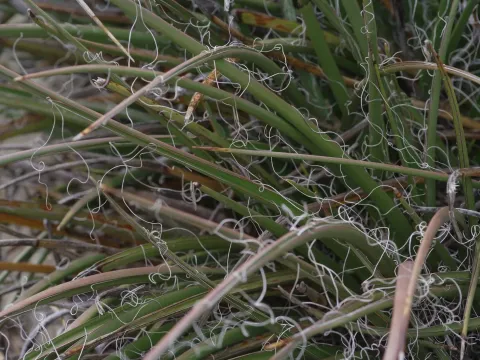
Hesperaloe is a genus of evergreen perennial succulents belonging to the Agavaceae family. These plants are characterized by their long, leathery, sword-shaped leaves arranged in a basal rosette, providing an architectural appeal to any landscape.
What the section contains
Hesperaloe
Native to the arid regions of the southwestern United States and Mexico, Hesperaloe is evolutionarily adapted to harsh environments. They thrive in regions with intense sunlight and minimal annual rainfall.
Cultivation requires well-draining soil to prevent root rot, which is the primary cause of plant failure. They are best suited for rocky, sandy, or well-aerated soil compositions that mimic their natural habitat.
The plant demonstrates remarkable heat tolerance and can survive extreme temperature fluctuations. While it is quite hardy, it prefers growing conditions where it receives full exposure to direct solar radiation for most of the day.
Regarding soil fertility, these plants are undemanding and perform best in neutral to slightly alkaline soils. Over-fertilization, especially with nitrogen, should be avoided as it encourages soft growth prone to disease.
Hesperaloe is widely utilized in professional landscaping and xeriscaping. Its ability to maintain structural integrity throughout the year without significant water input makes it a top choice for sustainable gardening.
The plant produces impressive inflorescences, often rising over two meters tall. These flower stalks are a key aesthetic feature, blooming for several months and providing essential nectar for pollinators like hummingbirds and native bees.
Seed harvesting is performed after the pods dry and turn brown. Propagation through seeds or division of basal offsets allows growers to scale up production effectively in commercial nurseries.
The fibrous leaves are historically significant for their strength. The fibers have been used for cordage and weaving, representing a potential niche for sustainable, bio-based material production from arid land agriculture.
Maintenance is minimal, typically limited to trimming old, spent bloom stalks and cleaning out dead lower leaves after the flowering season concludes to keep the plant vigorous and visually appealing.
The most significant threat to Hesperaloe is excessive moisture, particularly during cooler periods. Poor drainage leads to fungal infections and crown rot, which can destroy the root system very rapidly.
Pests such as scale insects and mealybugs can occasionally infest the plant. These pests cluster in the crevices of the rosette and suck sap, potentially stunting growth and creating entry points for secondary infections.
Leaf spot diseases can manifest in humid or stagnant air conditions. These fungal pathogens typically create unsightly lesions that reduce the marketability and health of the plant.
Management of these threats involves cultural practices like ensuring proper spacing between plants for airflow and avoiding overhead irrigation that leaves water sitting in the leaf axils.
If chemical control becomes necessary, use only approved systemic pesticides at the recommended concentration to avoid phytotoxic damage to the succulent leaves, which are sensitive to certain solvents.