
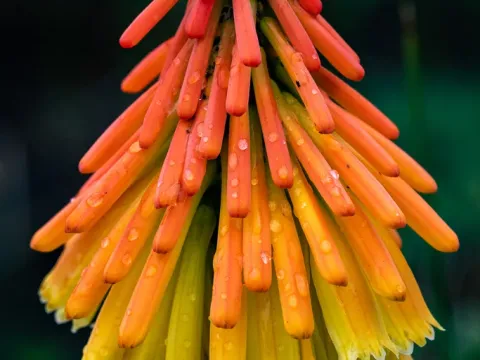
Kniphofia
Kniphofia
Kniphofia seeds are typically sown in early spring, from late March to April, using trays filled with a well-draining, sterile seed-starting mix. The seeds should be lightly covered with fine soil to ensure proper contact and moisture retention.
What the section contains


Kniphofia
Maintaining a constant temperature of about 22–24 degrees Celsius is crucial for consistent germination. The trays should be covered with clear plastic or glass to preserve humidity until the first sprouts emerge, usually within three weeks.
Once the seedlings develop their first true leaves, they should be transplanted into individual pots. This practice encourages a strong root system, which is essential for the plant to establish itself successfully when moved outdoors.
Transplanting into the permanent garden site should take place in mid-summer, ensuring the danger of frost has passed. A spacing of 30–40 cm is recommended to allow adequate air circulation around the foliage.
Botanically, Kniphofia belongs to the Asphodelaceae family. Originating from Africa, it is a robust herbaceous perennial known for its striking, torch-like inflorescences that provide high aesthetic value in landscape design.
Kniphofia thrives in full sun exposure. It requires a location with at least six to eight hours of direct sunlight daily to produce its signature vibrant flower spikes and maintain vigorous growth.
Well-draining soil is the most critical requirement for this plant. While it adapts to various soil types, it performs best in fertile, sandy loams with a neutral pH level, avoiding areas prone to waterlogging.
Regular watering is necessary during the active growing season, especially during hot, dry spells. However, it is vital to allow the soil to dry out slightly between waterings to prevent root-related issues.
In colder climates, winter protection is necessary. Tying the leaves into a bundle helps prevent moisture from collecting in the crown, and applying a thick layer of mulch around the base protects the roots from freezing temperatures.
Nutrient management involves applying balanced, slow-release fertilizers in early spring as growth begins, and phosphorus-heavy fertilizers during the bud-formation phase to boost bloom quality.
The primary use of Kniphofia is decorative. It serves as a focal point in flower beds, rock gardens, and border landscapes, and is also highly valued as a long-lasting cut flower in professional floriculture.
For cut flowers, harvest the spikes when the lower third of the florets are open. This stage ensures the best aesthetic appearance and maximum longevity when placed in a vase.
Always use sharp, disinfected shears for harvesting. Clean cuts are essential to prevent the entry of pathogens into the vascular system of the stem, which helps extend the shelf life of the cut flowers.
Post-harvest care involves immediate placement in cool, clean water. Keeping the flowers out of direct sunlight and in a draught-free environment significantly slows down the wilting process.
Proper maintenance after flowering involves removing spent flower stalks right at the base. This allows the plant to redirect its energy reserves into the roots rather than seed production, ensuring better survival through the winter.
Root rot is the most common threat, usually caused by poorly drained soil or excessive moisture, especially during the dormant winter months when the plant is most vulnerable.
Aphids are frequent pests that congregate on the tender flower stalks and new leaf growth. Their feeding can cause stunted growth, deformed inflorescences, and the transmission of viral diseases.
Spider mites and thrips may pose a problem during periods of intense heat and low humidity. They damage the foliage by piercing cells, leaving behind stippling and discoloured patches.
Effective management includes the use of systemic insecticides for pest outbreaks and organic fungicides for fungal concerns. Cultural practices, such as proper spacing, remain the best defense.
- Regular inspection for early signs of infestation.
- Ensuring soil drainage remains optimal throughout the year.
- Removal and destruction of any diseased plant tissue.
- Avoid over-fertilizing with nitrogen to keep growth sturdy.