
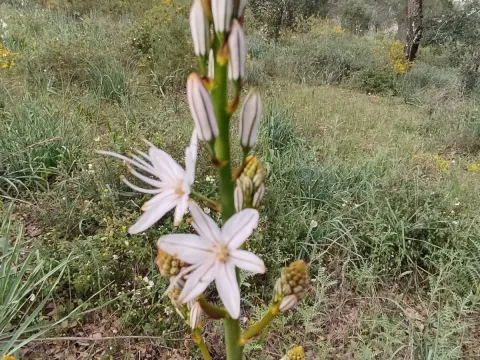
Lusitanian Asphodel
Asphodelus lusitanicus
Lusitanian Asphodel is a perennial herbaceous plant belonging to the Xanthorrhoeaceae family. It is valued for its elegant white flower spikes and structural foliage, typically found in the Iberian Peninsula.
What the section contains
Lusitanian Asphodel
Propagation is most commonly achieved through seeds. To break dormancy, seeds benefit from a period of cold stratification, making late autumn the ideal time for sowing directly in a prepared outdoor seedbed.
When sowing, cover the seeds with a thin layer of light, sandy soil. Keeping the soil consistently moist is crucial for germination, although once seedlings are established, they become quite hardy.
Division of the tuberous rootstock is another effective way to propagate the plant. This should be performed while the plant is dormant to minimize stress on the root system and ensure better survival rates.
Space the plants approximately 40 to 50 centimeters apart to allow enough room for the crown to expand over several seasons, preventing overcrowding that could hinder flowering.
The plant thrives in full sun, which is essential for stimulating the development of the tall inflorescences. Shady locations often lead to weak, elongated stems that require staking.
Well-drained soil is the primary requirement for success. Asphodelus lusitanicus cannot tolerate waterlogged conditions, which lead to root rot; therefore, adding gravel to the planting site is a recommended practice.
The soil should be of moderate fertility. Excessive use of nitrogen-rich fertilizers can encourage lush leaf growth at the expense of floral production and may lead to softer tissues prone to pests.
Watering should be managed carefully, ensuring the plant receives adequate moisture during the growing season while allowing the soil to dry out significantly during the summer dormancy period.
In colder regions, provide protection against extreme winter frosts. A layer of mulch can help insulate the roots, although it is vital to keep the crown dry to avoid rot during the wet season.
Root rot caused by Phytophthora or Pythium species is the most severe threat to the species, particularly in clay-heavy soils that hold too much water. Proper drainage is the best defense.
Aphids can cause damage by feeding on the nectar-rich flower spikes. Infestations are generally minor but should be monitored to prevent the spread of viral diseases that can be transmitted by these insects.
Slugs and snails often target young, succulent foliage emerging in spring. Implementing physical barriers like crushed shells or copper tape can deter these pests effectively without chemical runoff.
Leaf spot diseases may occur in high-humidity environments. To reduce the risk, ensure adequate spacing between plants to promote airflow, which helps foliage dry quickly after rainfall.
Regular maintenance, such as removing decaying plant material, is essential for reducing the risk of pests and diseases, keeping the plant healthy throughout its long growing cycle.