
Lemon daylily
Hemerocallis lilioasphodelus
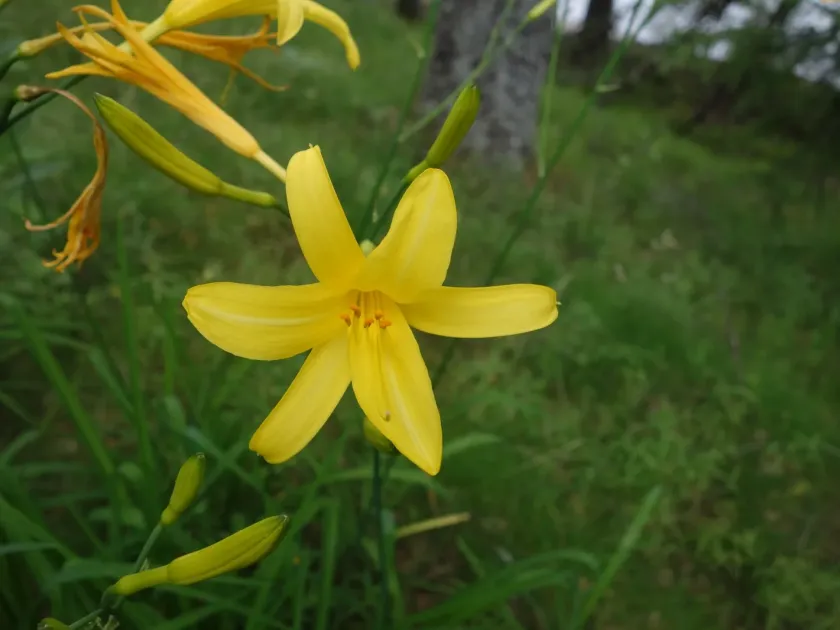
Description
Growing requirements
The Lemon daylily (Hemerocallis lilioasphodelus), a member of the Xanthorrhoeaceae family, is a herbaceous perennial plant native to East Asia. It is widely cultivated for its ornamental qualities and pleasant fragrance in temperate climates.
The plant thrives in fertile, well-drained soils with a neutral or slightly acidic pH. It prefers full sun locations but shows good tolerance for partial shade, making it a versatile choice for landscaping.
Agronomic management requires consistent soil moisture, especially during the spring growth phase and the summer flowering period. Providing organic mulch helps maintain soil structure and temperature stability around the roots.
Propagation is typically done through division of the rhizomes in spring or autumn, ensuring that each new section has adequate root development. Regular fertilization with a balanced mix supports healthy foliage and vigorous bloom production.
Economically, the species is primarily valued in ornamental horticulture, though it also holds historical significance in culinary traditions in several Asian countries where specific parts of the plant are edible.
Main diseases and pests
Common pests affecting this crop include daylily aphids and thrips, which primarily damage developing buds and foliage, impacting the aesthetic quality of the plants.
Fungal diseases like crown rot pose a significant risk, particularly in poorly drained soils where moisture accumulates around the base of the plant.
Spider mites may become a localized issue during dry, hot spells, necessitating irrigation management or biological control measures to protect plant health.
Integrated pest management strategies involve monitoring for early signs of infestation and applying appropriate systemic fungicides or insecticides when necessary.
Cultural practices such as maintaining proper spacing between plants and removing dead vegetation are essential to promote airflow and minimize the spread of diseases.