
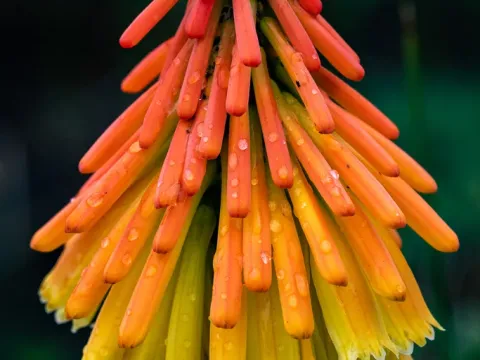
Kniphofia
Kniphofia Moench
Kniphofia seeds are typically sown in early spring, ideally indoors or in a greenhouse environment to ensure optimal germination. Pre-chilling or cold stratification of seeds for a few weeks significantly improves the germination rate.
What the section contains


Kniphofia
Use a light, well-draining seed-starting mix and cover the seeds very lightly, as they require some exposure to light to sprout. Keep the soil consistently moist but never waterlogged during the germination process.
The ideal temperature for germination is between 20°C and 25°C. Once the seedlings develop two sets of true leaves, they should be carefully pricked out and transplanted into individual pots to develop a strong root system.
Hardening off the plants is a crucial step before moving them to the outdoor garden. Gradually introduce the seedlings to outdoor conditions over the course of a week to prevent transplant shock.
When sowing directly into the ground, choose a site that will remain undisturbed, as Kniphofia does not like frequent root disturbance. Note that seed-grown plants often require several seasons to reach full maturity.
Kniphofia, a member of the Asphodelaceae family, originates from the temperate and tropical regions of Africa. It thrives in full sun, which is essential for developing its characteristic vibrant, torch-like inflorescences.
The soil must be fertile, sandy, and exceptionally well-drained. Heavy clay soils that retain moisture during winter are detrimental to the plant and frequently cause the crown of the plant to rot.
While the plant is relatively drought-tolerant once established, it requires regular irrigation during the summer months to produce high-quality flowers. Supplemental watering should be applied to the soil rather than the foliage.
Application of a balanced granular fertilizer in the spring helps promote healthy leaf growth. Avoid excessive nitrogen, which can lead to lush green foliage at the expense of floral production.
During winter, the plant requires protection from freezing rain and excessive moisture. Wrapping the foliage or mulching the base with organic material helps protect the rhizomes from temperature fluctuations.
Root rot is the most common threat to Kniphofia, especially when planted in poorly drained soil. Symptoms include yellowing leaves and a general decline in plant vigor.
Aphids can frequently attack the succulent flower buds and young foliage. These pests can significantly disfigure the inflorescences if left uncontrolled, reducing the plant's overall aesthetic value.
Spider mites are another common pest, particularly during hot and dry spells. They thrive in dusty environments and can be managed by increasing humidity or using appropriate acaricides.
Fungal diseases like leaf spot or powdery mildew can occur if there is poor air circulation between plants. Maintaining proper spacing during planting helps mitigate these issues naturally.
Effective pest and disease management relies on early detection and integrated pest management (IPM) practices, including the removal of dead foliage and maintaining clean growing conditions around the base of the plant.