
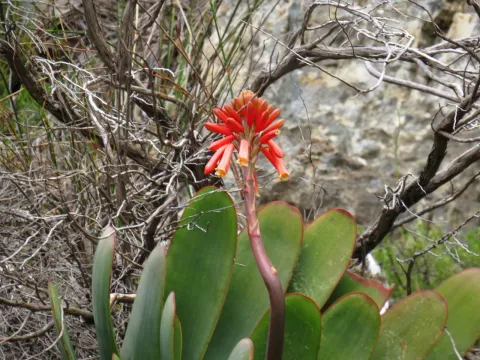
Kumara
Kumara
Kumara is a genus of succulent plants within the Asphodelaceae family. Previously classified under the genus Aloe, these plants are known for their distinct appearance, particularly the fan-shaped arrangement of leaves seen in Kumara plicatilis.
What the section contains

Kumara
Native to the Western Cape of South Africa, the plant is adapted to a Mediterranean-type climate with winter rainfall and dry summers. In cultivation, it requires specific environmental conditions to thrive and maintain its structural integrity.
Soil requirements are strict: the substrate must be highly porous and fast-draining. A typical mix includes coarse sand, pumice, and minimal organic compost to prevent water retention and root asphyxiation, which the species cannot tolerate.
Regarding light, Kumara plants prefer bright, filtered light. While they are adapted to outdoor sunshine, potted specimens in indoor conditions may require gradual acclimatization to direct sun to prevent tissue damage and scorching of the succulent leaves.
Temperature management is critical for the plant's seasonal cycle. It thrives in moderate temperatures and requires a cooling-off period during the winter months, avoiding frost at all costs, as the plant is not cold-hardy and will suffer significant cell damage.
Root rot is the most common and fatal condition affecting Kumara. It is almost exclusively caused by overwatering or using soil mixes that lack adequate drainage, leading to the rapid decay of the root system and base of the stem.
Mealybugs are the most frequent insect pests. They tend to hide deep within the leaf clusters, feeding on plant sap. Regular inspection and the use of insecticidal soap or neem oil are recommended as part of a proactive pest management strategy.
Scale insects can also attach themselves to the leaves, appearing as small brown bumps. If left untreated, they weaken the plant and can lead to secondary infections, requiring manual removal followed by appropriate chemical intervention.
Fungal leaf spots may appear if the plant is kept in high humidity with poor air circulation. Improving airflow around the plant is essential to prevent moisture accumulation on the surface of the leaves, which encourages fungal spore germination.
Proper hygiene, such as removing dead leaves and ensuring that the top layer of soil dries out completely between waterings, significantly reduces the risk of most common diseases and pest infestations for this genus.