
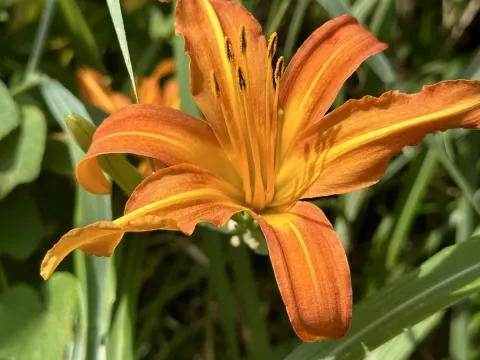
Hemerocallis littorea
Hemerocallis littorea
Sowing seeds of Hemerocallis littorea is best performed in the autumn, allowing the seeds to undergo natural winter stratification, which significantly improves germination rates.
What the section contains
Hemerocallis littorea
If spring sowing is preferred, seeds must be stratified in a refrigerator at approximately +4°C for at least two months before planting in open ground.
Seeds should be sown at a depth of 1.5 to 2 centimeters in a well-draining, nutrient-rich potting medium to ensure stability and proper moisture levels.
For clonal propagation, dividing mature clumps in early spring or late summer is the most efficient method to ensure true-to-type offspring and rapid establishment.
Spacing during planting should be approximately 50 centimeters to allow for adequate air circulation and to prevent the spread of foliar diseases during the humid season.
Hemerocallis littorea belongs to the Asphodelaceae family and is a robust perennial known for its adaptability to various environmental conditions.
The plant thrives in full sun but benefits from light shade during the hottest hours of the day to protect the vibrant color of its blossoms from fading.
Soil requirements include a rich, well-draining substrate with a neutral pH, ensuring the roots have access to necessary minerals without being waterlogged.
Consistent moisture is essential during the active growing season, particularly before and during the blooming phase to ensure high-quality flower production.
Fertilization with a balanced, slow-release fertilizer in early spring supports healthy foliage development and boosts overall plant vigor throughout the year.
The most common pest is the daylily midge, which targets developing flower buds, resulting in deformed blossoms that fail to open properly.
Root rot, often caused by excessive irrigation or poorly drained soil, is a critical threat that can kill the entire plant if left unaddressed.
Thrips can infest the foliage and petals during dry periods, leaving unsightly streaks and stunted growth, which requires diligent monitoring and timely treatment.
Maintaining a clean garden by removing weeds and debris reduces the risk of fungal infections and eliminates habitats for common garden insects.
Integrated pest management, including regular inspection and the use of targeted biological controls, is recommended to keep the plants healthy and productive.
For floral arrangements, flower stalks should be cut in the early morning when the blooms are just beginning to open, extending their vase life significantly.
Regular deadheading of spent blossoms prevents energy from being diverted into seed production, encouraging the plant to produce a second flush of flowers.
In late autumn, the foliage should be trimmed back to about 10–15 centimeters above the soil level after the first frost, preparing the plant for winter dormancy.
When propagating, the root mass should be carefully divided using sharp, disinfected tools to minimize stress and prevent the entry of pathogens into the root zone.
After division, roots should be replanted promptly in prepared soil, ensuring that the crown is not buried too deeply to maintain proper growth orientation.