
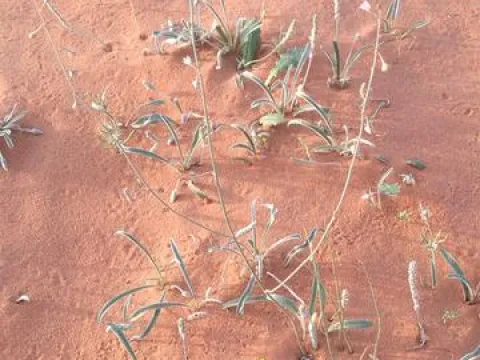
Asphodelus viscidulus
Asphodelus viscidulus
Asphodelus viscidulus is a perennial herbaceous plant belonging to the Asphodelaceae family. It is a highly specialized species perfectly evolved to thrive in the harsh, arid environments of North Africa and the Middle East.
What the section contains
Asphodelus viscidulus
The plant is distinguished by its botanical adaptation: sticky, glandular hairs on the stems, which help in moisture conservation. Its root system is structured to store water, enabling the plant to survive in desert and semi-desert conditions with minimal precipitation.
Regarding soil requirements, Asphodelus viscidulus strictly demands well-drained, sandy, or rocky substrates. It is extremely intolerant to waterlogged soils, which quickly lead to root rot and complete plant failure in cultivation.
The climate requirements for this culture are centered on intense sunlight and high temperatures. It does not require shade or protection from heat, as it has developed physiological mechanisms to handle high solar radiation levels.
Agronomic management involves minimal interference with the soil structure and avoiding nitrogen-heavy fertilizers. In cultivation, the goal is to maintain the natural balance of the plant, as it is physiologically adapted to nutrient-poor soils.
The agricultural and economic utility of Asphodelus viscidulus is currently focused on pharmaceutical research, as the plant contains secondary metabolites of interest. These compounds are being analyzed for their potential medicinal properties.
Environmental restoration is another key direction for this plant. Due to its robust root system, it is an excellent candidate for stabilizing sand dunes and preventing further soil degradation in desert-prone regions.
Harvesting strategies require precise timing, usually occurring after the plant has completed its vegetation cycle and sequestered nutrients in the underground storage organs. Manual harvesting is preferred to avoid damaging the sensitive arid topsoil.
Post-harvest handling is critical, requiring efficient air-drying in shaded, well-ventilated areas to preserve the integrity of the bioactive compounds. Exposing the material to excessive heat or direct sunlight can degrade the desired chemical components.
Sustainable production models are essential for the future of this crop. By maintaining natural population health and utilizing sound agronomic practices, Asphodelus viscidulus can serve as a valuable resource for xeriscape landscaping and industrial biochemical extraction.