
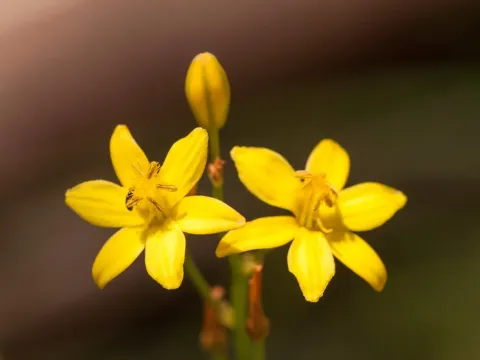
Bulbine
Bulbine Wolf
Bulbine is a genus of perennial succulent plants belonging to the Asphodelaceae family. These plants are typically propagated through seeds or via division of the rhizomes, which allows for the rapid expansion of a patch in suitable environmental conditions.
What the section contains


Bulbine
Seed sowing is best conducted in a well-drained, sandy substrate during the early spring. The seeds require consistent warmth, ideally between 20°C and 22°C, to trigger germination, which usually occurs within two to three weeks.
When sowing, seeds should be barely covered with soil, as they often require a certain level of light exposure to germinate efficiently. Keeping the surface consistently moist but not waterlogged is essential for successful seedling establishment.
Once the seedlings have developed their first true leaves, they should be pricked out into individual containers. This phase is crucial for developing a strong root system before they are transplanted to their final growing position.
Acclimatizing the plants to outdoor conditions is necessary if they have been started in a greenhouse. Gradual exposure to sunlight and fluctuating temperatures helps the plants adapt and improves their overall hardiness against environmental stress.
Bulbine thrives in full sun, requiring intense light for most of the day to maintain its compact growth habit. In low-light conditions, the plants tend to become etiolated, losing their characteristic vigor and health.
The soil must be exceptionally well-draining, ideally a sandy or gritty loam with a neutral pH. The plants are highly susceptible to root rot if they are kept in heavy, water-retaining soils, which is why a proper drainage layer is non-negotiable.
These plants are native to arid climates and prefer warm temperatures. They are not frost-tolerant and must be protected or moved indoors if the temperature drops significantly, as they are prone to cold damage.
Watering should be managed cautiously; the growing medium should be allowed to dry out completely between waterings. As succulents, they are well-adapted to drought, but they can easily succumb to rot in stagnant, wet soil.
Fertilization should be kept to a minimum, using a balanced, low-nitrogen liquid fertilizer during the active growth season. Over-fertilizing can lead to weak, rapid growth that makes the plant more vulnerable to pests and physical damage.
Root rot is the most common and devastating issue affecting Bulbine. It is almost exclusively caused by overwatering or poor drainage, creating an anaerobic environment where pathogens can thrive.
Pests such as aphids and mealybugs are frequent visitors that feed on the succulent leaves. These insects can cluster in the leaf axils, weakening the plant and potentially spreading viral or fungal infections through their feeding damage.
Spider mites may become a problem in dry, indoor environments with poor air circulation. Regular inspection and localized treatment with horticultural soaps or specific miticides are recommended for management.
Cultural prevention remains the best defense against threats. Maintaining adequate spacing between plants and ensuring good airflow effectively reduces the incidence of both fungal diseases and insect infestations.
Integrated pest management, including regular monitoring and the use of environmentally safe pesticides, helps to keep the plants healthy without compromising the quality of the medicinal properties often sought from this genus.