
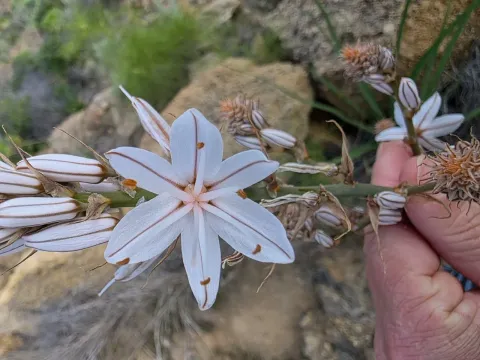
Asphodelus ramosus
Asphodelus ramosus
The sowing of Asphodelus ramosus seeds is typically performed in autumn, allowing them to undergo natural stratification throughout the winter. This process is crucial for achieving high germination rates in the spring when temperatures rise.
What the section contains
Asphodelus ramosus
Seeds should be planted at a depth of approximately 1-2 centimeters in well-drained soil. Providing a consistent but moderate moisture level is essential during the initial germination phase to ensure healthy seedling development.
Vegetative propagation is commonly achieved through the division of tuberous roots during the dormant period. This method is highly effective for maintaining consistency and is faster than growing from seeds, especially for landscape projects.
When planting, maintain a spacing of 40-50 centimeters between individual plants. Proper spacing is vital for air circulation, which prevents the development of fungal diseases that often affect dense foliage in damp conditions.
Young plants require consistent monitoring during their first season. Regular weeding is necessary to minimize competition for nutrients, as the initial growth rate of Asphodelus ramosus can be relatively slow compared to other perennials.
Asphodelus ramosus is a member of the Asphodelaceae family and is well-adapted to Mediterranean-type climates. It thrives in locations with full sun exposure, which is necessary for the development of its sturdy flowering stems.
The plant prefers light, sandy, or loamy soils with excellent drainage. While it is adaptable to various soil types, it performs best in soils with a neutral or slightly alkaline pH and struggles in heavy, waterlogged clays.
Due to its specialized root system, which serves as a reservoir for nutrients and water, this species is highly drought-tolerant. Irrigation should be managed carefully, as the plant naturally enters a period of dormancy during the heat of summer.
The plant demonstrates moderate cold hardiness. While it can withstand occasional frost, it requires protection in regions with prolonged freezing temperatures, especially during winters with little snow cover to act as insulation.
Site selection should prioritize areas that allow for good natural drainage, such as slopes or raised beds. Minimizing supplemental watering during the summer months is a key agronomic practice to mimic the plant's native habitat.
Root rot, often caused by poor drainage or excessive soil moisture, represents the primary threat to the longevity of Asphodelus ramosus. Maintaining a well-drained substrate is the most effective preventative measure against root-related pathogens.
Slugs and snails can cause significant damage to young foliage during early spring. Integrating protective measures or traps is recommended to ensure that the delicate new growth is not decimated by these common pests.
Powdery mildew can occur in environments with high humidity and poor air circulation. If conditions allow for sustained moisture on the leaves, the risk of fungal infections increases, necessitating appropriate cultural controls.
To mitigate disease pressure, it is essential to remove spent flower stalks and withered leaves after the growing season. This practice improves sanitation and reduces the likelihood of overwintering pathogens.
Over-fertilization, particularly with nitrogen-rich compounds, should be avoided. Excessive growth can make the plants more susceptible to sap-sucking insects and may weaken the plant's structural integrity during periods of high wind.