
Astroloba
Astroloba
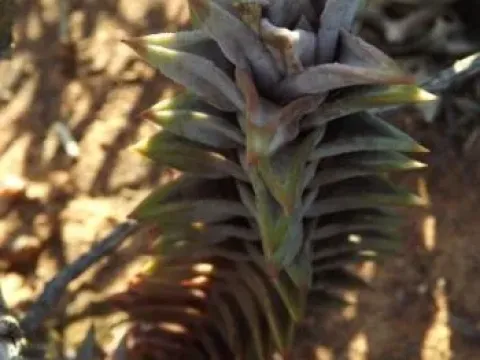
Astroloba is a genus of succulent plants belonging to the Asphodelaceae family. These plants are native to the arid regions of South Africa, where they have evolved to thrive in rocky, well-draining soils under intense sunlight.
What the section contains


Astroloba
Successful cultivation requires bright, filtered light. While they enjoy the sun, direct midday exposure in hot climates can scorch the foliage, so partial shade during the peak summer heat is recommended for greenhouse or indoor specimens.
The plants demand a highly permeable, inorganic substrate. A professional cactus or succulent mix, amended with extra pumice, perlite, or coarse grit, is essential to ensure that water drains rapidly and roots do not remain damp.
Watering practices should mimic the plant's natural environment. Allow the soil to dry out completely between waterings. During the winter dormancy period, water should be strictly limited to prevent physiological stress or tissue collapse.
Astroloba serves primarily as a decorative horticultural plant. It is highly prized by collectors for its architectural, spiraling leaf arrangement and slow-growing habit, making it an excellent candidate for specialized rock gardens and xeriscaping.
Root and stem rot represent the most significant threat to the plant's survival. These conditions are almost exclusively caused by overwatering or poor aeration within the potting medium.
Mealybugs are common pests that frequently colonize the tight leaf axils of Astroloba. Their feeding can weaken the plant and lead to secondary bacterial or fungal infections if left untreated.
Spider mites may also occasionally infest the plant, particularly if the surrounding air is excessively dry. These pests cause discoloration and surface damage to the leaves, reducing the ornamental value of the succulent.
Effective management includes regular inspection of the leaf axils and the root system. If pests are detected, targeted insecticide applications or manual removal with alcohol-dipped tools should be performed immediately.
To ensure long-term health, growers must maintain good ventilation around the plants. Avoiding stagnant air and ensuring that the base of the plant remains dry is critical for preventing common fungal outbreaks.