
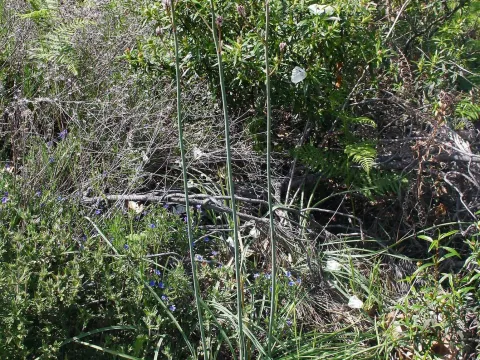
Asphodelus bento-rainhae
Asphodelus bento-rainhae
Asphodelus bento-rainhae is a distinct species belonging to the Asphodelaceae family. Native to the Mediterranean region, this perennial plant is well-adapted to habitats with high solar radiation and low soil nutrient availability.
What the section contains
Asphodelus bento-rainhae
Botanically, the plant is characterized by its robust root system and narrow, basal leaves. It thrives in well-drained, sandy, or rocky soils, which are essential for preventing root rot and ensuring the plant remains healthy during the dormant summer period.
The climatic requirements of this species include a warm growing season and a period of rest. It is a heliophilous plant, meaning it requires full exposure to sunlight to bloom effectively and maintain its structural integrity throughout the season.
In terms of agricultural and horticultural management, the species requires minimal fertilization. Excessive use of organic matter can prove detrimental to the plant's health, leading to weakened growth and increased susceptibility to pests.
Regular maintenance involves keeping the area clear of competing weeds and ensuring that the soil structure remains loose and aerated. These practices simulate the natural conditions necessary for the successful establishment of the species.
The primary concern for Asphodelus bento-rainhae in cultivation is the occurrence of fungal infections, particularly those affecting the root system due to waterlogged conditions.
Pests such as aphids and soil-dwelling larvae can occasionally damage the foliage or roots. Integrated pest management strategies, focusing on biological controls, are highly recommended for sustainable growth.
Preventive measures include implementing proper irrigation schedules and ensuring adequate spacing between individual plants to promote air circulation within the planting area.
Environmental stress, particularly sudden changes in soil moisture or prolonged periods of high humidity, can exacerbate the impact of common plant pathogens.
Field monitoring is essential for identifying early signs of distress, allowing for quick intervention and the preservation of the botanical collection or crop site.