
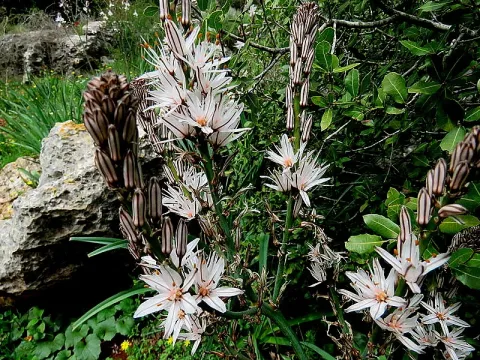
Asphodeline brevicaulis
Asphodeline brevicaulis
The sowing of Asphodeline brevicaulis is best conducted through autumn planting or spring sowing following a period of cold stratification. In temperate climates, sowing directly into the soil is recommended once temperatures reach 10–12 degrees Celsius.
What the section contains
Asphodeline brevicaulis
When starting from seeds in a greenhouse, shallow containers are used with a well-draining substrate. Seeds should be sown at a depth of approximately 1–2 centimeters, ensuring they are not buried too deeply to allow for successful germination.
Germination is generally a slow process and can take several weeks. It is crucial to maintain consistent substrate moisture during this initial stage, while simultaneously avoiding waterlogging, which can cause the seeds to rot.
Spacing during planting is essential for the long-term health of the plant. A distance of 30–40 centimeters between individual specimens is advised to allow for the expansion of the fibrous root system as the plant matures over subsequent seasons.
For vegetative propagation, dividing the rootstock is a highly effective method. The optimal timing for division is during the early spring or late summer, allowing the plant to re-establish its root system before the onset of extreme weather.
Asphodeline brevicaulis, a member of the Asphodelaceae family, thrives in sunny locations with high solar exposure. It is naturally adapted to rocky slopes and meadows, meaning it requires well-drained, porous soil conditions.
The plant demonstrates high drought tolerance, making it an excellent candidate for xeriscaping or low-maintenance gardens. Excessive watering should be avoided, especially during the dormant season, to prevent the decay of the roots.
Soil quality should lean toward sandy or rocky textures. Heavy, clay-rich soils are generally unsuitable unless amended with aggregate material like gravel or coarse sand to ensure rapid drainage and air circulation around the roots.
The plant prefers a neutral to slightly alkaline soil pH. In acidic soil environments, applying lime or wood ash can improve the growing conditions, fostering stronger development of the flowering stalks during the active growing season.
Winter hardiness is moderate, but the plant benefits from protection in regions with extremely harsh winters. A layer of dry mulch can serve as an effective thermal insulator, protecting the crown of the plant from freeze-thaw cycles.
Root rot, driven by fungal pathogens, is the primary threat to this species, especially in poorly drained soil. Symptoms include yellowing of the foliage and sudden wilting of the plant, often indicating irreparable damage to the root system.
Aphids can be problematic during the late spring, as they tend to congregate on the tender flower spikes. Regular monitoring and the application of mild insecticidal soaps or biological controls are often sufficient to manage these populations.
Powdery mildew may manifest as a white coating on the leaves if the plant is grown in areas with poor airflow and high humidity. Proper site selection and avoiding overhead watering are key to preventing the spread of this infection.
Slugs and snails can cause cosmetic and physiological damage to young seedlings. Physical barriers like crushed eggshells or specialized traps can provide effective protection without relying on harsh chemical pesticides.
General hygiene in the garden, such as clearing away dead plant debris at the end of the season, reduces the overwintering capacity of common garden pests and fungal spores, promoting a healthier growing environment for the next cycle.
The primary use of Asphodeline brevicaulis is ornamental, and harvesting usually involves collecting dried flower stalks for floral arrangements. These are cut after the blossoms have faded but while the structural integrity of the spike remains.
Seed collection is performed when the capsules turn from green to brown. It is important to harvest them before the capsules naturally shatter to avoid the loss of seeds on the ground, which may lead to unwanted self-seeding.
When propagating via rootstock, harvesting the divisions occurs during the dormancy period in late summer. Care must be taken to keep the main taproot healthy, ensuring each segment has enough vitality to regenerate independently.
After the harvest of seeds or flower stems, the remaining foliage should be trimmed back to encourage the plant to direct its energy into root development rather than maintenance of above-ground vegetative growth.
Stored seeds must be kept in a cool, dry place within paper envelopes to maintain viability. If stored correctly, the seeds will retain high germination rates for several months, ensuring success for the following planting season.