
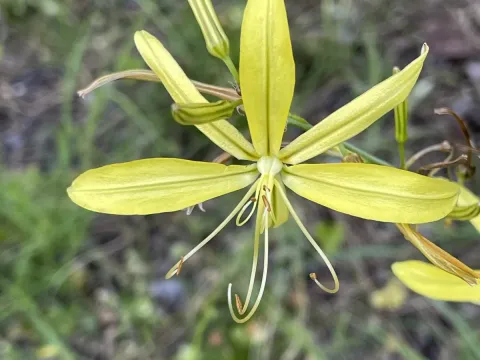
Asphodeline liburnica
Asphodeline liburnica
Seeds of Asphodeline liburnica are best sown in the autumn, directly into the soil. This allows for natural cold stratification, which is essential for breaking seed dormancy and ensuring uniform germination during the following spring season.
What the section contains
Asphodeline liburnica
If spring sowing is required, seeds must undergo artificial stratification. This process involves keeping the seeds in a moist medium at temperatures between 2 and 5 degrees Celsius for at least two to three months before sowing.
For container-grown starts, seeds should be planted in a loose, well-draining substrate in late winter. A shallow planting depth of about 0.5 to 1 centimeter is recommended to ensure the seedlings can easily emerge through the soil surface.
Transplanting into the permanent garden spot should be done in late spring, once the threat of frost has passed. It is critical to disturb the root ball as little as possible, as the plant is sensitive to significant root disruption during its establishment phase.
Maintaining a weed-free environment is vital during the plant's first year of growth. Once established, the dense foliage rosette helps suppress weed growth, but early care remains necessary to ensure the plant reaches its full vigor.
Asphodeline liburnica, a member of the Asphodelaceae family, is native to the Mediterranean region. It thrives in open, sunny locations where it can receive maximum light exposure, which is necessary for healthy development and flowering.
The soil must be well-drained and relatively lean. Heavy clay soils that retain moisture are generally unsuitable for this species, as they can lead to root rot during the dormant winter months when the plant requires dry conditions.
This plant is an excellent choice for rock gardens, gravel beds, or sunny slopes. It tolerates poor, stony soils well and does not require frequent fertilization, as excessive nutrients can negatively impact the plant's structural integrity.
Climate requirements include warm, dry summers and mild winters. While the plant is somewhat hardy, it is crucial to protect it from excessive moisture in winter, which is often more damaging than the cold temperatures themselves.
Watering should be minimal once the plant is established. It is highly drought-tolerant and adapted to survive in regions with significant seasonal dry spells, making it a low-maintenance choice for sustainable landscaping projects.
The primary threat to Asphodeline liburnica is soil waterlogging, which inevitably leads to fungal pathogens attacking the crown and roots. Ensuring excellent drainage through the use of grit or gravel is the best preventative measure.
Slugs and snails can cause damage to the foliage during the early spring growth period. Gardeners should monitor the plants closely during damp weather and take appropriate action if signs of herbivory appear on the younger leaves.
Aphids occasionally infest the tall flower spikes during the blooming season. These pests can be managed by using targeted systemic insecticides or, in light infestations, by simply washing the spikes with a stream of water.
Planting in areas with good airflow is essential to prevent the buildup of humidity around the base of the plant. This simple cultural practice is often enough to keep the plant free from common garden pests and diseases.
Lastly, keeping the area around the crown clean of dead organic matter in the late autumn helps ensure that the plant goes into dormancy without a build-up of material that could harbor mold or overwintering pests.