
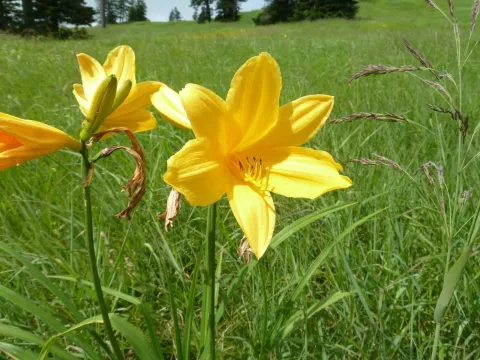
Orange daylily
Hemerocallis esculenta
The edible daylily is a perennial plant of the Asphodelaceae family, typically propagated through division of mature clumps. Spring or early autumn are the most favorable times for planting to ensure the roots establish well before extreme temperatures arrive.
What the section contains
Orange daylily
When starting from seeds, stratification in a cold environment for several weeks is often necessary to break dormancy. Seeds should be sown in well-draining soil at a depth of about two centimeters.
Choosing a site with full sunlight is essential, as this encourages the highest production of flower buds. Partial shade is acceptable but may result in a significant decrease in total harvest yield.
For commercial production, plants should be spaced at least 60 centimeters apart in rows to allow for efficient management and airflow, preventing disease proliferation between individuals.
Since the daylily is a long-lived perennial, careful planning of the site is important. It can remain productive in the same location for many years if soil fertility is maintained.
This crop thrives in fertile, loamy soils that possess excellent drainage qualities. While it is adaptable, it performs best in soils with a slightly acidic to neutral pH level.
Consistent moisture is required during the rapid growth phase and bud formation. However, waterlogging must be avoided, as it leads to root decay and susceptibility to fungal diseases.
Regular applications of compost or balanced organic fertilizers in the spring promote healthy vegetative growth. Potassium and phosphorus are key nutrients for sustaining high floral bud production.
Weed control is vital, especially in the first year of planting. Mulching helps retain soil moisture, suppresses weed growth, and protects the soil surface from crusting.
The plant is highly frost-tolerant and does not require special winter protection in temperate climate zones, making it an excellent candidate for low-maintenance vegetable production.
The primary edible portions are the unopened flower buds, which are prized for their unique flavor. They are harvested daily during the summer blooming season.
A healthy, mature clump can produce hundreds of buds throughout the season. Proper fertilization and sunlight ensure that the plant maximizes its floral potential.
Tender spring shoots and even the fleshy root tubers are consumed in various culinary traditions. These provide additional yields during the earlier parts of the growing season.
Economic potential of the daylily is high due to its culinary versatility and the increasing demand for unique, nutrient-dense vegetable crops in the specialty market.
After harvesting, the buds can be consumed fresh, dried for later use in soups, or pickled, providing a reliable food source throughout the off-season.
Fusarium wilt is a common fungal threat, particularly in poorly drained soils. Symptoms include yellowing leaves and stunted development, requiring immediate removal of affected plants.
Daylily rust can affect the foliage during periods of high humidity and heat. Good spacing and removing dead foliage at the end of the season are effective preventative measures.
Aphids and thrips can cause damage to developing buds and leaves by sucking sap. Integrated pest management, including natural predators, is preferred to maintain a clean crop.
The daylily gall midge is a specific pest that targets the buds. Monitoring the plants closely during the bud development stage allows for early intervention before significant loss occurs.
Preventative care, such as maintaining strong plant health through proper nutrition, is the best strategy against all major diseases and insect infestations in a daylily patch.
Buds must be harvested in the early morning while they are still tightly closed. Once the flower begins to open, its texture changes and its culinary value decreases significantly.
Careful hand-harvesting is required to avoid damaging the surrounding foliage or the developing stalk, ensuring the plant continues to produce buds throughout the season.
Immediate cooling of the harvested buds is recommended to prolong their shelf life. Fresh buds should be kept in a cool, ventilated environment before processing.
Shoots intended for eating should be snapped or cut when they are approximately 10 to 15 centimeters tall. This practice also helps maintain a vigorous, tidy plant appearance.
When harvesting root tubers, it is best to perform this task in the autumn after the plant has entered dormancy to ensure the tubers are rich in stored nutrients.