
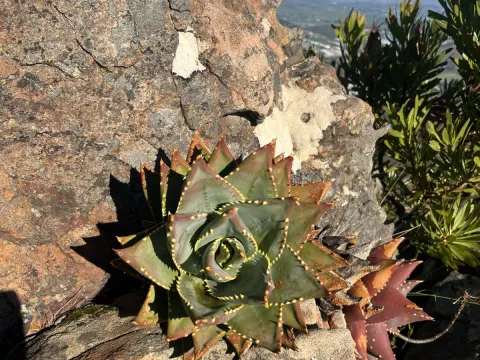
Mitriform Aloe
Aloe mitriformis
Aloe mitriformis, commonly known as the Mitriform Aloe, is a perennial succulent plant belonging to the Asphodelaceae family. It is native to the rocky slopes of South Africa, where it has evolved to thrive in arid climates characterized by high heat and limited water availability.
What the section contains
Mitriform Aloe
The successful cultivation of this crop depends heavily on soil composition, which must be gritty, porous, and exceptionally well-draining. Cultivators should prioritize a mineral-based substrate to prevent water retention, as root rot is a fatal risk for this species if the soil remains waterlogged.
This plant is highly photophilic and requires full sun exposure to maintain its compact, rosette structure. In cultivation, protecting the plant from intense midday heat is rarely necessary, but acclimatization is key for plants moved from shaded nurseries to outdoor fields.
Optimal irrigation involves a "soak and dry" method, where the substrate is allowed to dry out completely before the next watering. During the winter dormancy period, watering should be significantly reduced or suspended to mimic the natural dry season of its native habitat.
Beyond its ornamental appeal in xeriscaping, Aloe mitriformis is valued for its hardiness and secondary metabolites found in its succulent leaves. It serves as a resilient crop choice for low-maintenance horticultural projects and areas susceptible to prolonged drought conditions.
Fungal infections, specifically those affecting the roots, represent the most critical threat to the crop. These pathogens typically emerge as a direct result of poor irrigation management or low-quality soil that lacks the necessary structural porosity for oxygen exchange.
Pest issues often include infestations of mealybugs and scale insects, which can rapidly spread across a collection. Integrated pest management, including regular inspection and the targeted use of systemic insecticides, is recommended to preserve crop health and maximize biomass quality.