
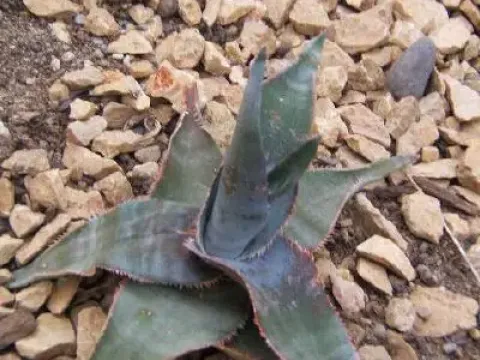
Poison Aloe
Aloe venenosa
Poison Aloe (Aloe venenosa) is a distinct succulent belonging to the Asphodelaceae family. Originating from the arid regions of Southern Africa, it is adapted to harsh, water-scarce environments with rocky or sandy substrate profiles.
What the section contains
Poison Aloe
For successful cultivation, the plant requires well-draining soil with high porosity. Commercial growers typically utilize a mix of sand, perlite, and a small amount of pumice to ensure that moisture does not accumulate around the root neck, preventing physiological distress.
Temperature requirements are strict, as the species thrives in warm conditions ranging from 18 to 30 degrees Celsius. Exposure to temperatures below 10 degrees Celsius can cause cell damage, requiring greenhouse protection in temperate climate zones.
Light intensity is the primary driver of growth and chemical composition. As a heliophyte, Aloe venenosa requires full solar exposure or high-intensity LED supplemental lighting to maintain its genetic growth characteristics and structural integrity.
Agronomic management involves precise irrigation cycles. The "soak and dry" method is standard, where water is provided only after the substrate has completely dried out. Nutrient management should be minimal, focusing on low-nitrogen, high-potassium fertilizers to promote resilience.
The primary threats to Aloe venenosa productivity are oomycete pathogens and soil-borne fungi. Species such as Pythium and Phytophthora often attack the roots if the irrigation regime is poorly managed or drainage is inadequate.
Pest pressures include the mealybug, which resides in the crevices of the succulent leaves, and scale insects. These pests cause sap loss and lead to the development of sooty mold, which can smother the leaves and reduce photosynthetic efficiency.
Integrated Pest Management (IPM) is crucial, relying on the use of biological controls or specialized acaricides. Pesticide applications must be applied with caution to ensure that chemical residues do not interfere with potential downstream uses.
Regular sanitation of the greenhouse environment is the most effective preventative measure. Removing leaf litter and maintaining airflow help reduce the local humidity levels that allow fungal spores to germinate and colonize the crop.
Monitoring for signs of stress, such as yellowing leaf tips or softness in the base, allows for early intervention. Swift removal and quarantine of infected plants are necessary to preserve the health of the entire crop population.