
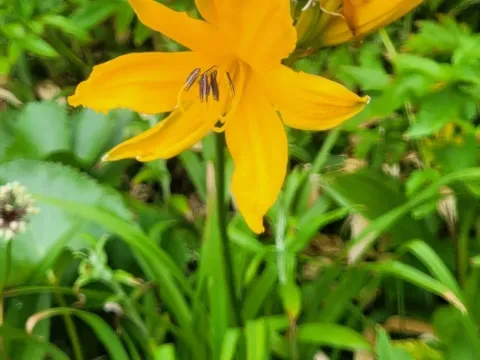
Middendorff's daylily
Hemerocallis middendorffii
Middendorff's daylily (Hemerocallis middendorffii) belongs to the Asphodelaceae (formerly Xanthorrhoeaceae) family. It is a robust perennial herb highly valued for its early spring blooms and bright golden-yellow flowers.
What the section contains
Middendorff's daylily
Native to East Asia, including regions in Russia (Far East), Japan, Korea, and China, this species is naturally adapted to cool-temperate climates. It exhibits high winter hardiness and can endure harsh seasonal changes.
The crop thrives in well-drained, nutrient-rich soils. While it prefers full sun for maximum blooming intensity, it can tolerate partial shade, especially in warmer regions where foliage protection from midday sun is beneficial.
Agronomic management focuses on moisture regulation. Consistent watering is required during the vegetative phase, although mature plants are relatively drought-tolerant once established in the ground.
Uses for Middendorff's daylily range from ornamental landscape design to limited culinary use. Its early blooming cycle makes it a priority for gardeners seeking to bring color to the landscape before many other species begin their season.
Daylily rust (Puccinia hemerocallidis) is a significant fungal threat, especially in humid conditions. To manage this, ensure adequate plant spacing and proper airflow throughout the planting site.
Insect pests, such as aphids and thrips, can cause damage to buds and developing foliage. Integrated pest management (IPM) practices, including the use of soaps or neem oil, are recommended to maintain plant health.
Root rot, primarily caused by poor drainage, can be fatal. During site preparation, incorporating organic matter and sand can help improve soil porosity and reduce the risk of waterlogging.
Viral infections can be transmitted by aphids, resulting in stunted growth or mottled leaves. Monitoring for symptoms of viral distress is vital, and affected plants should be removed to prevent spread.
Regular sanitation, including the removal of dead foliage at the end of the season, helps reduce the overwintering capacity of common pathogens and pests, keeping the plantation healthy for the following year.