
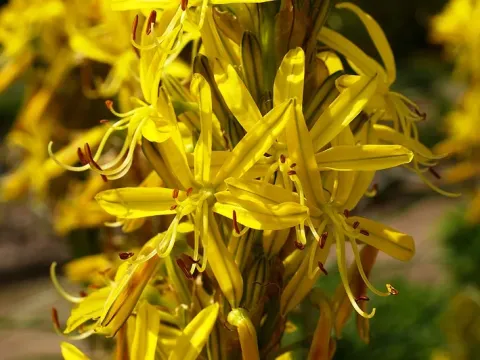
Asphodeline
Asphodeline
Sowing Asphodeline seeds is best performed in late autumn to allow for natural cold stratification during winter. This process breaks the seed dormancy and ensures uniform germination when temperatures rise in the spring.
What the section contains
Asphodeline
For spring sowing, seeds must be kept in a cool environment, such as a refrigerator, for several weeks. This artificial stratification is necessary to stimulate the biological processes required for successful seedling development.
Seeds should be planted at a shallow depth of about 1 centimeter in a well-draining, gritty soil mix. Maintaining light moisture is essential, but the medium must never become waterlogged to prevent seed rot during the critical germination phase.
Transplanting seedlings to their permanent garden position is recommended once all risks of frost have passed. Asphodeline plants develop a sensitive root system and generally dislike being moved, so minimal disturbance is crucial for plant survival.
Spacing between plants should be approximately 30 to 40 centimeters. Providing adequate space allows for proper airflow around the foliage, which is vital for preventing humidity-related diseases and supporting the plant's long-term health.
Asphodeline is a perennial genus within the Asphodelaceae family. Known for its tall, dramatic flower spikes, it is native to the Mediterranean region and parts of Asia, where it thrives in rocky and mountainous landscapes.
This plant demands full sun exposure to flourish. While it can survive in partial shade, such conditions significantly reduce the quality of the inflorescences and often lead to weak, leaning stems that require additional support.
Soil requirements are strictly focused on drainage. Asphodeline performs best in poor, sandy, or rocky soils that are slightly alkaline. It is highly intolerant of heavy, damp soils that retain water, as these inevitably lead to root decay.
It is a highly drought-tolerant species once established, making it an excellent choice for low-maintenance or xeriscaping garden designs. Supplemental watering is only necessary during extreme, prolonged heatwaves or for newly established young plants.
Winter hardiness varies across species, but most are adapted to cool Mediterranean winters. In regions with severe frost, a light mulch of dry leaves or straw can protect the crown of the plant from extreme temperature fluctuations.
Root rot is the primary threat to Asphodeline and is almost always caused by poor soil drainage. If the soil remains saturated for extended periods, the fleshy roots will quickly succumb to fungal pathogens, resulting in irreversible plant loss.
Aphids can occasionally infest the flower stalks during the peak growing season. While usually not fatal, heavy infestations can distort the development of the flowers, so monitoring and prompt removal of affected parts are advised.
Leaf spot diseases may appear during seasons with high humidity or excessive rainfall. These infections manifest as discolored lesions on the foliage and, if left unchecked, can compromise the plant's vigor and ornamental appeal.
Slugs and snails may feed on the tender young leaves early in the season. Utilizing physical barriers such as crushed shells or copper tape around the perimeter of the planting area is an effective way to discourage these pests.
Preventive maintenance, including the removal of dead foliage and maintaining clean growing conditions, is the best strategy against diseases. By ensuring the plant remains dry and well-ventilated, the gardener can mitigate most typical threats.