
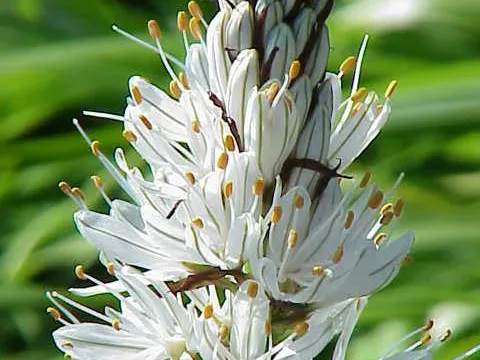
Asphodel
Asphodelus
Sowing Asphodel seeds is best performed in the autumn, as they require a period of cold stratification to break dormancy and ensure uniform germination. In regions with mild climates, seeds can be sown directly into the prepared garden soil before winter.
What the section contains

Asphodel
If starting seeds indoors, they should be planted in late winter using containers filled with a well-draining substrate. Seeds should be buried lightly, no deeper than 1-2 centimeters, to allow sufficient light exposure for the developing seedlings.
Transplanting young plants to their permanent location is recommended after the threat of spring frosts has passed. Adequate spacing of 40-50 centimeters between individual plants is necessary to allow for root expansion and airflow.
The germination period usually takes several weeks under temperatures ranging from 15 to 18 degrees Celsius. Maintaining consistent moisture during the early establishment phase is vital for successful development of the root system.
Asphodel belongs to the Asphodelaceae family, characterized by fleshy tuberous roots. While seed propagation is common, dividing established root clumps is an efficient method to multiply the plants while maintaining the original variety characteristics.
Asphodel thrives in sunny, open locations that receive full exposure to sunlight. Proper drainage is the most critical requirement, as the plants are highly susceptible to root rot if they remain in waterlogged conditions.
Light, sandy, or loamy soil with a neutral to slightly alkaline pH is ideal for this crop. If the soil is heavy or clay-based, it should be amended with organic matter or grit to improve aeration and water infiltration.
This plant is naturally adapted to dry conditions and exhibits high drought tolerance once established. Minimal irrigation is required, though a moderate watering schedule during the spring growth phase will enhance flowering performance.
The plant originates from Mediterranean climates, making it well-suited for regions with dry summers. In areas with harsh, freezing winters, covering the soil base with mulch provides essential insulation to protect the dormant root crown.
Fertilization should be handled with care, focusing on low-nitrogen, high-phosphorus formulations to support root health and flower production. Over-fertilizing can lead to excessive foliage growth at the expense of blossom quality.
Root rot is the most significant threat to Asphodel crops, usually caused by stagnant moisture or poor soil drainage. Ensuring that the site remains well-aerated during the rainy season is the primary strategy for disease prevention.
Soil-dwelling pests, such as wireworms and larvae of common beetles, can damage the fleshy tuberous roots. Implementing crop rotation and keeping the surrounding soil free of weeds helps minimize the risk of pest infestations.
Powdery mildew is a potential concern, particularly in areas with poor ventilation and high humidity. Regular inspection of the leaves and thinning out dense foliage are effective cultural practices to reduce the likelihood of fungal outbreaks.
Aphids may occasionally attack the tender flower spikes during the budding stage, causing stunted development. If infestations occur, treating the plants with appropriate organic insecticidal soap is a safe and effective remedy.
Sanitation is key to maintaining healthy stands of Asphodel. Removing dead leaves and debris at the end of the season prevents pathogens from overwintering and ensures the plant enters the next growing season in good condition.