
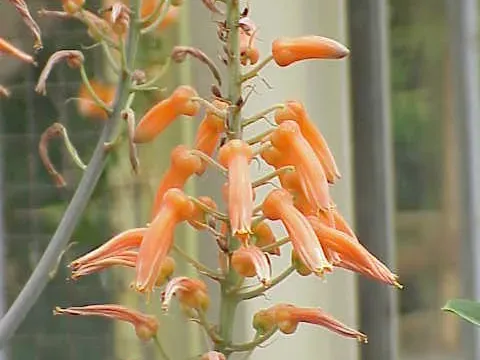
Aloe lateritia
Aloe lateritia
Aloe lateritia belongs to the Asphodelaceae family and is native to the rocky habitats of Eastern Africa. This species is highly valued in horticulture for its resilience and the distinct reddish-brown coloration of its leaves when exposed to intense sunlight.
What the section contains
Aloe lateritia
Botanically, it forms dense rosettes of fleshy, armed leaves. These succulent features are primary adaptations to arid environments, allowing the plant to store significant reserves of water to survive prolonged droughts in its native high-altitude range.
Agronomic requirements for this species focus on excellent drainage and light availability. The soil medium must be highly porous, consisting of a mix of sand, pumice, and loam to prevent moisture accumulation near the root crown.
The plant thrives in temperatures ranging from 18°C to 28°C during the growing season. While it is adapted to harsh conditions, it requires protection from freezing temperatures, which can severely damage the plant tissues.
Watering practices should follow a cycle of wetting and complete drying. Over-watering is the most common mistake in cultivation, as these plants have specialized roots that can easily succumb to decay in waterlogged environments.
Root rot is the primary threat to Aloe lateritia cultivation, typically induced by poor drainage or excessive watering during dormant phases. Once root systems are compromised, the plant may require surgical removal of necrotic tissue and repotting.
Mealybugs are the most frequent pests, often hiding in the crevices between leaves. Effective control involves the manual removal of insects and the application of targeted horticultural soaps or systemic pesticides.
Spider mites can occur in very dry, indoor environments with poor air circulation. Increasing humidity slightly or improving airflow generally discourages mite colonization on the leaves.
Etiolation is a physiological issue caused by insufficient light levels, leading to weak and elongated growth. Correcting the light source is essential to maintain the structural integrity and health of the succulent rosette.
Fungal leaf spot diseases are rare but can develop if water remains trapped in the center of the leaf rosette. Providing gentle ventilation helps maintain leaf hygiene and prevents the development of opportunistic fungal spores.