
Aloe kraussii
Aloe kraussii
Description
Growing requirements
Aloe kraussii is a species of succulent plant belonging to the Asphodelaceae family. It is a stemless or short-stemmed perennial that grows in dense, grass-like basal rosettes, with narrow, strap-shaped leaves often characterized by distinctive spotting patterns.
The plant is native to South Africa, specifically distributed in the Eastern Cape and KwaZulu-Natal regions. In its natural habitat, it thrives in grasslands and on rocky hillsides, where it has evolved to survive in environments with high solar irradiance and periodic drought cycles.
To cultivate Aloe kraussii successfully, a well-draining substrate is mandatory. A standard succulent mix incorporating sand, perlite, or pumice is recommended to prevent water retention. The plant does not tolerate waterlogged soil, as this quickly leads to root rot and total plant failure.
Regarding climatic requirements, the species prefers bright, indirect sunlight or partial sun. While it can withstand periods of neglect, it performs best when provided with moderate warmth and protected from extreme freezing temperatures during the winter, which makes it a popular candidate for container gardening.
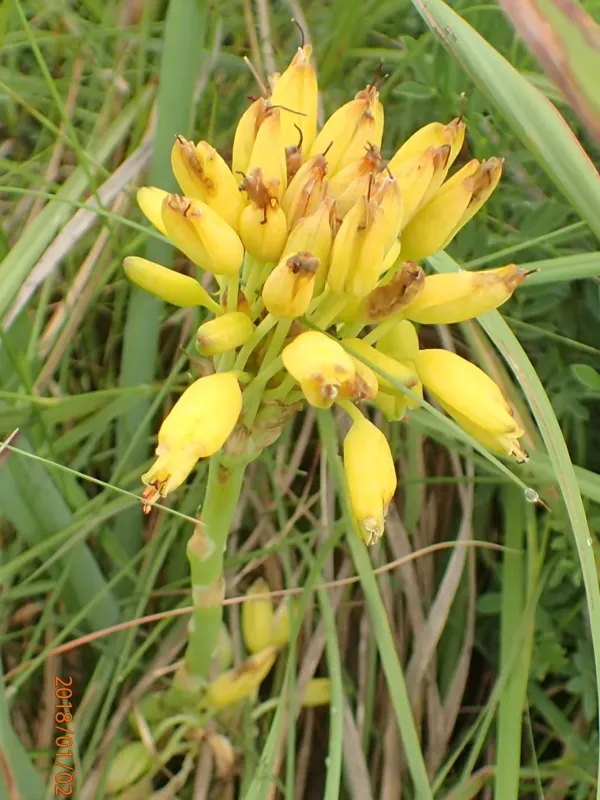
The primary economic and horticultural use of Aloe kraussii is in the ornamental trade. It is highly sought after by succulent enthusiasts for its unique aesthetic value and its potential to bloom with tubular, yellowish-green flowers, adding diversity to botanical collections and specialized xeriscapes.
Main diseases and pests
The most significant threat to the plant's health is fungal infection of the roots, which almost exclusively results from improper watering techniques. Over-watering creates an anaerobic environment in the soil, which triggers the development of rot and destroys the root system within a very short timeframe.
Pest issues commonly include mealybugs and scale insects, which prefer the base of the leaves where they are shielded from mechanical removal. Maintaining good air circulation and inspecting the plant regularly are essential strategies for mitigating pest damage and ensuring the plant remains vigorous.