
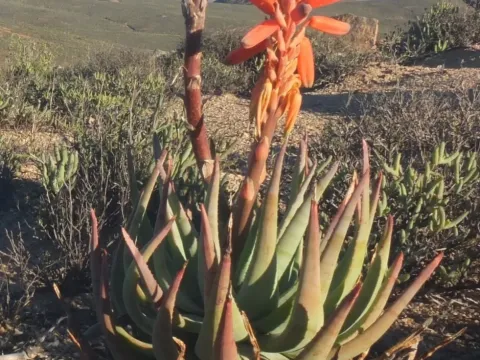
Aloe krapohliana
Aloe krapohliana
Aloe krapohliana belongs to the Asphodelaceae family. It is a miniature succulent native to the arid regions of Southern Africa, specifically within the Northern Cape province.
What the section contains
Aloe krapohliana
This culture is highly demanding regarding light, preferring direct sunlight throughout the day. In cultivation, it is essential to provide intense light to maintain the natural compact rosette shape and vibrant color.
The plant is adapted to poor, rocky, or sandy soils with excellent drainage. Water stagnation is fatal to the root system, so agricultural practices require substrates with high sand and grit content.
The temperature regime should mimic desert conditions: hot, dry summers and a cool, frost-free winter. Aloe krapohliana is sensitive to high humidity, which can trigger the development of fungal pathogens.
Irrigation must be strictly regulated, and it is almost completely suspended during the dormant season. The plant has a highly developed capacity to store water in its leaves, allowing it to survive long droughts.
The primary threats to this species are root and stem rots, which occur due to improper watering schedules and the use of overly moisture-retentive potting media.
Among pests, mealybugs and spider mites are the most common, thriving in dry air conditions and environments with poor air circulation.
Preventive measures include using sterilized substrates and maintaining optimal ventilation levels in the growing area.
If insects are detected, systemic insecticides are used, though care must be taken to prevent chemical burns on the delicate leaf tissues.
The plant may also be susceptible to various leaf spots caused by water droplets accumulating directly on the rosette surface during cooler periods.