
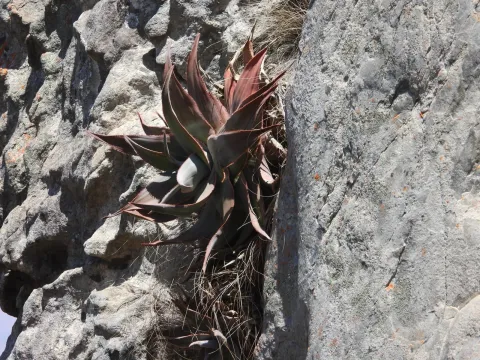
Aloe laeta
Aloe laeta
Aloe laeta is a distinct and rare succulent species belonging to the Asphodelaceae family. It is endemic to the central highlands of Madagascar, thriving in rocky environments that demand specific adaptations from the plant to survive with minimal soil nutrients.
What the section contains
Aloe laeta
The plant features a compact rosette of succulent, lanceolate leaves, which are often decorated with subtle white spots. Its biological cycle is adapted to the harsh conditions of its native habitat, where it relies on stored moisture within its tissues to endure seasonal droughts.
To cultivate Aloe laeta successfully, one must replicate its natural need for bright, indirect light. Excessive direct sunlight can scorch the leaves, while insufficient light leads to the loss of its characteristic compact growth form and structural integrity.
Requirements for soil include a coarse, mineral-based substrate that allows for rapid water drainage. A mix comprising pumice, sand, and volcanic rock is highly recommended to mimic the rocky crevices found in its original Madagascar home.
Economic and horticultural use of Aloe laeta is primarily limited to conservatory displays and specialized plant collections. It serves as a significant subject for botanical study, helping researchers understand the evolutionary traits of succulents in geographically isolated mountainous regions.
The primary threat to the health of this species is excessive irrigation. Because it is highly sensitive to root asphyxiation, gardeners must ensure the soil is completely dry before applying any supplemental water to avoid rot.
Common pests such as mealybugs and spider mites may affect the plant during periods of low air circulation or high humidity. Maintaining good airflow around the rosette is essential to prevent these infestations and ensure the long-term vitality of the specimen.