
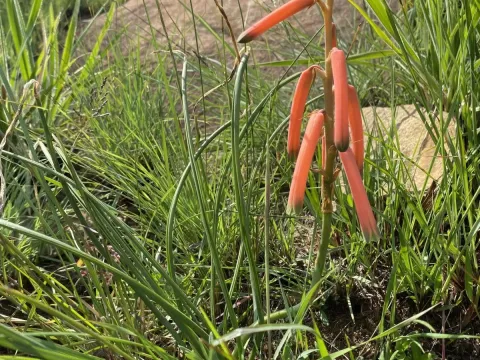
Aloe kniphofioides
Aloe kniphofioides
Aloe kniphofioides is a distinctive species within the Asphodelaceae family, recognized primarily for its grassy, herbaceous growth habit rather than the typical woody stems of other aloes.
What the section contains
Aloe kniphofioides
Native to the high-altitude grasslands of South Africa, specifically Mpumalanga and KwaZulu-Natal, this plant has evolved to thrive in environments that experience periodic wildfires.
The plant possesses a tuberous rootstock, which serves as a vital organ for energy storage, allowing the plant to go dormant during dry or cold seasons and sprout again when conditions improve.
Cultivation requires a highly porous, gritty soil mix to ensure rapid drainage, as the tubers are highly susceptible to rot if left in standing water or soggy soil conditions.
This species demands high light intensity to maintain its compact form; insufficient light often leads to etiolation and weakens the plant's natural resistance to environmental stress.
Fungal infections of the root system are the primary threat to Aloe kniphofioides, often triggered by overwatering or soil mixes that lack adequate aeration.
Mealybugs are common pests that tend to cluster at the base of the leaves, drawing sap and weakening the plant's overall vitality during the growing season.
Spider mites may occur during periods of low humidity, causing visible stippling on the leaves and severely damaging the aesthetic quality of the succulent foliage.
Bacterial soft rot can manifest if the plant is subjected to high humidity combined with poor air circulation, necessitating immediate isolation and treatment of the affected areas.
Successful management of these threats involves diligent monitoring, maintenance of dry conditions around the root crown, and the use of targeted systemic treatments when necessary.