
Aloe littoralis
Aloe littoralis
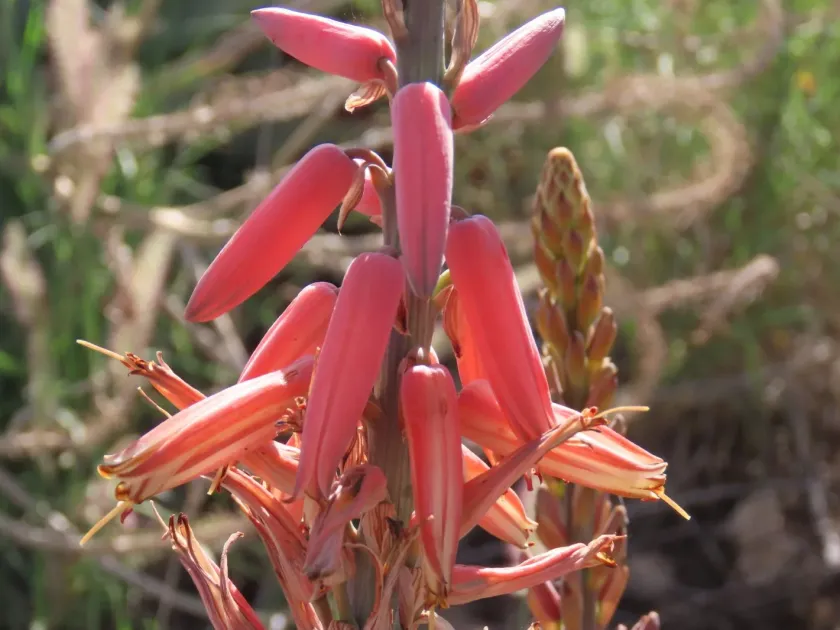
Description
Growing requirements
Aloe littoralis is a robust succulent belonging to the Asphodelaceae family. Native to the arid regions of southwestern Africa, this species has evolved to thrive in harsh, semi-desert conditions, demonstrating significant resistance to environmental stressors.
Botanically, the plant develops a dense rosette of fleshy, lanceolate leaves, often adorned with reddish or brown marginal teeth. The leaf surface is typically covered with a glaucous bloom, which serves as a protective layer against high solar radiation and excessive transpiration.
The climate requirements for Aloe littoralis include high sun exposure and well-ventilated spaces. Unlike many greenhouse crops, it performs best in regions with high diurnal temperature variation, mimicking its native habitat's conditions.
Soil composition is critical for this species. A high-quality, free-draining sandy loam is the standard for cultivation. Incorporating pumice, volcanic rock, or coarse sand ensures that water drains rapidly, preventing the oxygen starvation of the root system.
Agronomic management requires a strict irrigation schedule. Water should only be provided when the substrate has completely dried out. Excess humidity, particularly in the leaf axils, can lead to severe physiological damage and the development of necrotic spots.
Main diseases and pests
The most common disease impacting Aloe littoralis is root rot caused by pathogenic fungi such as Phytophthora and Pythium. These organisms proliferate in waterlogged substrates, quickly destroying the root system and causing the collapse of the rosette.
Insects like the mealybug and scale insects are the primary pests. They tend to settle in the protected crevices of the leaf base, making physical inspection and pest control challenging for agricultural producers.
Aphid infestations are less common but can occur during the rapid growth phase of flower stalks. These pests weaken the plant by feeding on floral tissues, potentially reducing seed production if the plant is grown for propagation.
Integrated pest management (IPM) for this crop suggests using horticultural oils or systemic insecticidal soaps. Preventive measures such as adequate spacing between plants and maintaining low atmospheric humidity are highly effective.
Proper sanitation in the greenhouse or nursery is vital. This includes regular removal of dead leaves, sterilizing pruning tools, and ensuring that any imported plant material undergoes a thorough quarantine period before being integrated into existing crops.