
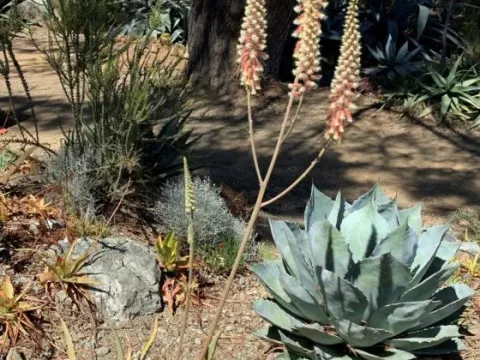
Aloe lavranosii
Aloe lavranosii
Aloe lavranosii is a distinct succulent species belonging to the Asphodelaceae family, originating from the rugged highlands of the Arabian Peninsula, specifically Yemen. It is highly valued for its striking rosette structure and adaptation to extreme rocky environments at high altitudes.
What the section contains
Aloe lavranosii
This species demands a highly porous, mineral-rich substrate to thrive in domestic cultivation. A mix of pumice, coarse sand, and a small portion of potting soil is ideal to mimic its natural, fast-draining habitat and prevent the risk of root rot from stagnant water.
Light requirements are intense, necessitating a position that receives bright, filtered sunlight throughout the year. While it can handle strong light, protecting it from the most aggressive midday heat is recommended to maintain the vibrant color and structural integrity of the foliage.
Irrigation practices must be precise; during the growing season, water thoroughly but only when the soil has completely dried out. In winter, the plant enters a period of dormancy, requiring almost no water to survive, which is essential to prevent physiological stress or decay.
Temperature control is equally vital for this species, as it prefers mild days and cooler nights. It is not frost-tolerant and should be sheltered indoors if environmental temperatures drop below a safe threshold, ensuring the plant stays in a stable and controlled environment.
The most severe threat to Aloe lavranosii is fungal rot, which typically stems from poor drainage or excessive soil moisture. Once rot infiltrates the root system or the base of the stem, the plant often becomes unsalvageable, emphasizing the need for strictly regulated watering habits.
Mealybugs are the primary pests that affect this succulent, hiding in the tight crevices between the leaves where they feed on plant sap. These pests are easily identified by their white, waxy secretions, which can quickly spread across the plant if left untreated.
Scale insects may also colonize the leaf surfaces, posing a threat to the plant's health by sapping its energy. These pests are resilient due to their protective coverings and usually require manual removal with alcohol or systemic pesticides to be fully eradicated from the host plant.
Inadequate air circulation can exacerbate the risk of pests and fungal infections, particularly in indoor environments. Placing the plant near a source of fresh air can significantly reduce the likelihood of these common issues, as it promotes rapid drying of the surface tissues.
Monitoring the plant for any signs of leaf discoloration or softening is a standard preventive measure. Early detection allows for the prompt application of fungicides or insecticidal treatments, preserving the longevity of this rare and beautiful specimen in any succulent collection.