
Aloe lineata
Aloe lineata
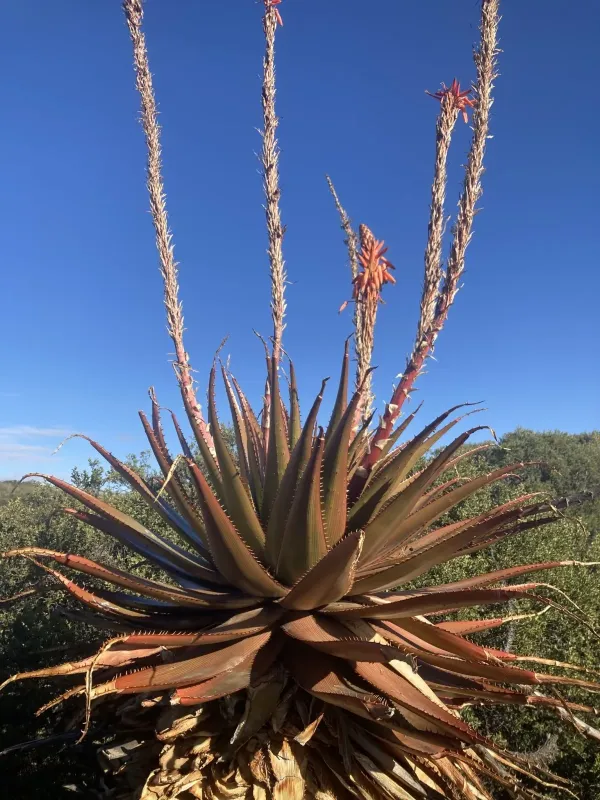
Description
Growing requirements
Aloe lineata is a perennial succulent plant belonging to the Asphodelaceae family. Native to the Eastern Cape region of South Africa, it thrives in rocky terrain and well-drained slopes.
This crop requires full sun exposure to maintain its structural integrity and leaf coloration. In agricultural and horticultural settings, it is essential to ensure maximum light availability throughout the year.
The soil profile for Aloe lineata must be highly permeable. Growers typically use coarse sand and inorganic grit mixtures to guarantee that moisture drains quickly from the root zone, preventing oxygen deprivation.
Climatic requirements involve dry, warm conditions with minimal humidity. While the plant can tolerate some variation in temperature, it requires protection from severe frost to prevent cellular damage to its succulent tissues.
The economic value of this species lies in ornamental horticulture and xeriscaping. Its distinct rosette form makes it a sought-after variety for arid landscapes where water efficiency is a priority.
Main diseases and pests
The most significant threat to Aloe lineata is root rot, primarily caused by waterlogging in poorly aerated soils. Pathogens thrive in damp conditions, necessitating strict irrigation protocols.
Mealybugs are the most persistent insect pests, nesting in the tight leaf axils of the rosettes. Integrated pest management using horticultural oils or soaps is often required to control population surges.
Scale insects can attach to the leaf surfaces, drawing sap and weakening the plant. Regular monitoring of the foliage is essential to detect early infestations before they spread to healthy specimens.
Fungal leaf spot diseases may appear if the air circulation is inadequate. Ensuring that plants are spaced appropriately and kept in a ventilated environment significantly reduces the risk of outbreaks.
Ultimately, the key to protecting this crop is maintaining a dry environment during the dormant season and ensuring that the substrate is completely dry before subsequent watering cycles.